
"From Abundance to Endangerment: The Struggle of Fish Lake Valley’s Tui Chub"
Fish Lake Valley Tui Chub Faces Endangerment Amidst Water Crisis and Development Pressures
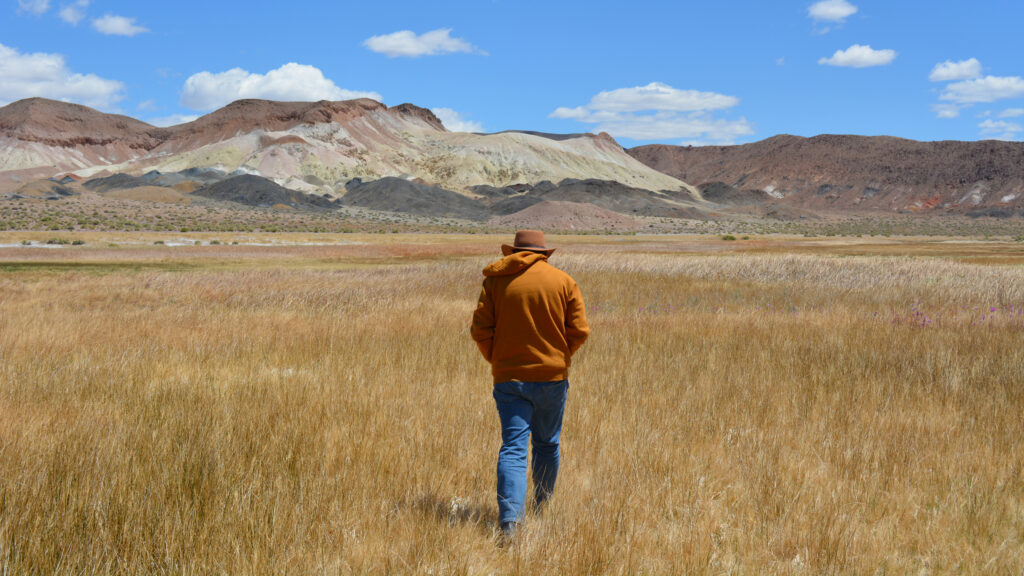
DYER, Nev. — Once a thriving aquatic habitat, Fish Lake Valley has drastically transformed over the past century. Historically, the valley was home to a vibrant lake teeming with life, including the endemic Fish Lake Valley tui chub, a small minnow that has become emblematic of the region’s ecological decline.
Historical Context
Fish Lake, once filled by ephemeral streams from surrounding mountain ranges, provided a crucial habitat for the tui chub, which thrived in its waters. However, the advent of hydraulic pumps in the early 20th century marked a turning point. Water was diverted for agricultural use, primarily to cultivate alfalfa for cattle, leading to the lake’s desiccation by the end of the 20th century. Today, the tui chub’s natural habitat has been reduced to a single spring on a nearby ranch, with populations extirpated from all but one of its historical locations.
Recent Developments
On May 21, 2025, the U.S. Fish and Wildlife Service (USFWS) announced that the Fish Lake Valley tui chub warranted a listing as endangered under the Endangered Species Act (ESA). This proposed listing is significant as it represents the first under President Donald Trump’s second administration. The decision could impose restrictions on local agricultural practices and slow the influx of geothermal and lithium mining projects in the area.
Patrick Donnelly, the Great Basin director for the Center for Biological Diversity, emphasized the urgency of the situation. “This little fish lives in what’s basically a puddle, and no one’s ever seen it because it’s on private land and it’s just so obscure,” he stated. He warned that continued groundwater depletion could lead not only to the extinction of the tui chub but also to the collapse of the entire ecosystem, affecting species such as golden eagles, bighorn sheep, and mule deer.
Groundwater Crisis
The aquifer beneath Fish Lake Valley is critically over-appropriated, with water extraction exceeding natural replenishment. According to state documents, the basin has a perennial yield of approximately 30,000 acre-feet of water annually, yet more than that is pumped out each year. The over-appropriation ranges from 150% to 250%, with groundwater levels dropping by an alarming two feet per year since the 1960s.
Agriculture, particularly alfalfa cultivation, has been the primary driver of this decline. The USFWS noted that groundwater pumping has severely reduced the tui chub’s range, rendering most of its historical habitat uninhabitable.
Threats from Development
In addition to agricultural pressures, the tui chub faces threats from proposed lithium mining and geothermal energy projects. The Rhyolite Ridge lithium mine, located just eight miles from the fish’s habitat, has been approved for construction. This mine is expected to require significant water resources, further straining the already depleted aquifer. Ioneer, the company behind the project, claims that its operations will not affect the tui chub, as they draw from a different aquifer. However, environmental advocates remain skeptical, arguing that any mining operation could impact local water supplies.
Donnelly referred to the Rhyolite Ridge project as the “extinction mine,” highlighting its potential to push multiple species onto the endangered list. The mine’s construction is projected to require 500 acre-feet of water annually, with operational needs forecasted to exceed 4,000 acre-feet per year.
Public Response and Future Implications
The USFWS’s proposal for the tui chub’s endangered status is currently open for public comment, with a final decision expected next year. While the listing could lead to further consultations between developers and the USFWS, it remains uncertain how it will affect ongoing and proposed projects in the region.
Donnelly expressed confidence that the tui chub would be listed as endangered, stating, “This species is so profoundly endangered and has lost so much of its range that you could do all the conservation in the world that you want at McNett Ranch, but unless you can shut down the lithium mines and geothermal projects and shut down the alfalfa center pivots, you’re not going to remove the risk of extinction from the species.”
Conclusion
The plight of the Fish Lake Valley tui chub serves as a stark reminder of the delicate balance between agricultural practices, resource extraction, and ecological preservation. As the region grapples with competing interests, the future of this small fish—and the broader ecosystem it represents—hangs in the balance. The upcoming decision by the USFWS will be pivotal in determining the fate of the tui chub and the health of Fish Lake Valley’s environment.