
"The Health Fallout: How the Trump Administration’s Rollback of Greenhouse Gas Regulations Could Impact Lives"
Trump Administration Rescinds Key Environmental Regulation: Implications for Public Health and Climate Change
By Mary Kekatos & Dr. Laura Billstein
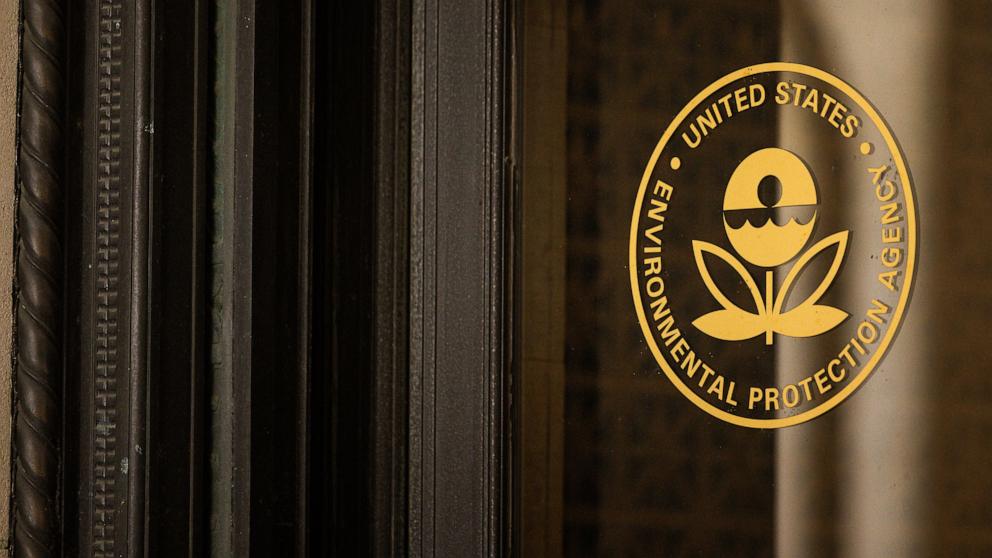
In a significant policy shift, the Trump administration has officially rescinded the 2009 endangerment finding, a pivotal decision that established the legal foundation for federal regulation of greenhouse gas emissions. The Environmental Protection Agency (EPA) announced this move on Thursday, asserting that the finding—which identified six critical greenhouse gases as threats to human health and welfare—was unfounded both factually and legally.
Background of the Endangerment Finding
The endangerment finding originated from the 2007 Supreme Court ruling in Massachusetts v. EPA, which affirmed the agency’s authority to regulate greenhouse gases under the Clean Air Act of 1970. This ruling was a landmark moment in environmental law, enabling the federal government to impose regulations on emissions from vehicles, power plants, and other significant sources.
President Trump characterized the rescission as "the single largest deregulatory action in American history," claiming that the previous finding lacked scientific and legal merit. However, this decision has raised alarms among environmental scientists and public health experts, who warn of its potential ramifications for both the environment and human health.
Health Implications of Greenhouse Gas Emissions
Research has consistently demonstrated that greenhouse gases, such as carbon dioxide and nitrous oxide, contribute to climate change, which in turn poses serious health risks. These risks include increased exposure to extreme weather events, such as wildfires, heatwaves, and flooding, as well as the spread of waterborne diseases.
Dr. Ana Navas-Acien, chair of the Department of Environmental Health Sciences at Columbia University’s Mailman School of Public Health, emphasized the overwhelming evidence linking greenhouse gas emissions to adverse health outcomes. "The scientific evidence showing the connection between greenhouse emissions, climate change, and related health effects is massive and substantial," she stated.
Rising Temperatures and Health Risks
The impact of rising temperatures on public health is particularly concerning. A 2024 study from Yale School of the Environment found that during heatwaves, the risk of death from heart attacks increases by 64%. Additionally, a 2025 study from Yale School of Public Health reported over 3,400 preventable deaths in the contiguous U.S. between 2000 and 2020 due to extreme heat.
The World Health Organization has projected that climate change will lead to an estimated 250,000 additional deaths annually worldwide from 2030 to 2050 due to heat exposure. Dr. Kai Chen, an associate professor of epidemiology at Yale, noted that heat exposure not only affects physical health but also has significant implications for mental health, exacerbating conditions such as depression and anxiety.
Air Quality and Wildfire Smoke
The increasing frequency and intensity of wildfires, particularly in the western U.S., have further deteriorated air quality. The federal government’s Fifth National Climate Assessment indicates that these fires are fueled by climate change and urbanization, releasing harmful pollutants into the atmosphere.
Fine particulate matter (PM2.5), a byproduct of wildfire smoke, poses serious health risks. These particles are small enough to penetrate deep into the lungs and enter the bloodstream, leading to both short-term and long-term health issues. Recent studies have linked PM2.5 exposure to cognitive decline, dementia, and adverse birth outcomes, including preterm births and low birth weight.
Short- and Long-Term Consequences of the Rescission
Experts predict that the rescission of the endangerment finding will lead to increased pollution levels, resulting in a higher burden of chronic diseases. Dr. Navas-Acien warned that elevated pollution levels could lead to more emergency room visits and hospital admissions for cardiorespiratory events, particularly in the days following spikes in air pollutants.
In the absence of federal regulations, state and local governments may need to take the initiative to mitigate greenhouse gas emissions and improve air quality. Individuals can also play a role by monitoring local air quality, wearing masks during high pollution days, and advocating for urban green spaces to combat climate change.
Conclusion
The decision to rescind the endangerment finding has sparked significant concern among health experts, who argue that the scientific evidence supporting the health risks of climate change has only strengthened over time. Dr. Chen emphasized that climate change is not merely a political issue but a pressing public health crisis that demands immediate action.
As the nation grapples with the implications of this policy shift, the call for robust environmental protections and public health initiatives remains more critical than ever.
For those struggling with mental health issues related to climate anxiety or other concerns, free, confidential help is available 24/7 through the national lifeline at 988.