
"New Law Shields Pentagon from Foreign Cyber Threats: A Bold Move Against Adversarial Access"
Pentagon Enacts Ban on Foreign Access to Cloud Systems Amid Security Concerns
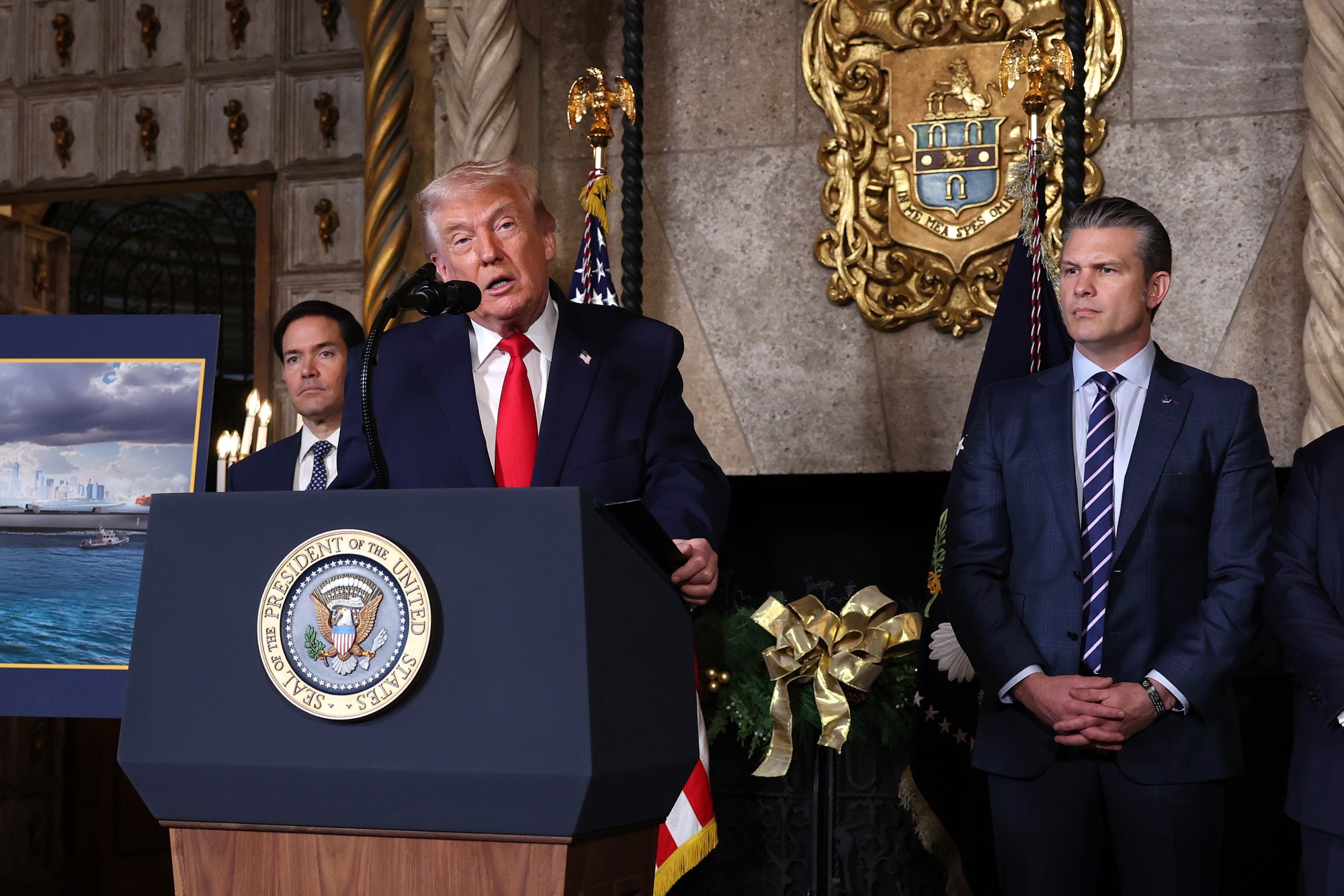
In a significant move to bolster national security, President Donald Trump recently signed into law a measure that prohibits individuals based in China and other adversarial nations from accessing the Pentagon’s cloud computing systems. This ban is part of a broader $900 billion defense policy law, enacted in response to alarming findings from a ProPublica investigation that revealed Microsoft had employed China-based engineers to service the Defense Department’s computer systems for nearly a decade.
Background of the Investigation
The ProPublica report highlighted serious vulnerabilities in the Pentagon’s cybersecurity framework, exposing how the use of foreign engineers could potentially compromise sensitive data. The investigation revealed that U.S.-based supervisors, referred to as “digital escorts,” were intended to oversee these foreign employees. However, many of these supervisors lacked the technical expertise necessary to effectively monitor engineers with advanced skills, raising concerns about the integrity of U.S. defense systems.
Legislative Response
Following the revelations, prominent members of Congress urged the Defense Department to enhance its security protocols. Criticism was directed at Microsoft, with some lawmakers labeling the situation a “national betrayal.” Cybersecurity experts emphasized that the arrangement posed significant risks, given that Chinese laws grant authorities extensive powers to collect data.
In July, Defense Secretary Pete Hegseth publicly condemned the practice, stating, “Foreign engineers — from any country, including of course China — should NEVER be allowed to maintain or access DoD systems.” In September, the Pentagon updated its cybersecurity requirements, officially banning IT vendors from employing China-based personnel for work on Defense Department systems. The newly signed law codifies these changes, mandating that individuals from China, Russia, Iran, and North Korea be prohibited from having any access to Pentagon cloud systems.
Microsoft’s Position
Microsoft has not commented on the new law but previously stated its commitment to collaborating with national security partners to reassess and adjust security protocols in light of the new directives. The company had initially developed the digital escort program as a workaround to a Defense Department requirement that personnel handling sensitive data be U.S. citizens or permanent residents. Despite claims of transparency, top Pentagon officials indicated they were unaware of the program until the ProPublica investigation surfaced.
Congressional Reactions
The legislation has garnered support from various lawmakers. Rep. Elise Stefanik, a Republican on the House Armed Services Committee, praised the development, asserting it “closes contractor loopholes” that companies like Microsoft had exploited. Sen. Tom Cotton, chair of the Senate Select Committee on Intelligence, also commended the legislation, emphasizing its importance in safeguarding the nation’s critical infrastructure from threats posed by foreign adversaries.
Oversight and Future Implications
The new law enhances congressional oversight of the Pentagon’s cybersecurity practices, requiring the Defense Secretary to brief congressional defense committees on the changes by June 1, 2026. Subsequent briefings will occur annually for three years, focusing on the effectiveness of security controls, incidents, and recommendations for further legislative or administrative actions.
Ongoing Investigations
In light of the ProPublica findings, Secretary Hegseth announced an investigation into whether any of Microsoft’s China-based engineers had compromised national security. Additionally, a third-party audit of the digital escort program was ordered. The Pentagon has not provided updates on the status of these inquiries.
Conclusion
The enactment of this law marks a pivotal step in addressing cybersecurity vulnerabilities within the Pentagon’s cloud systems. As the U.S. government continues to navigate the complexities of cybersecurity in an increasingly interconnected world, the implications of this legislation will likely resonate across the defense sector and beyond.