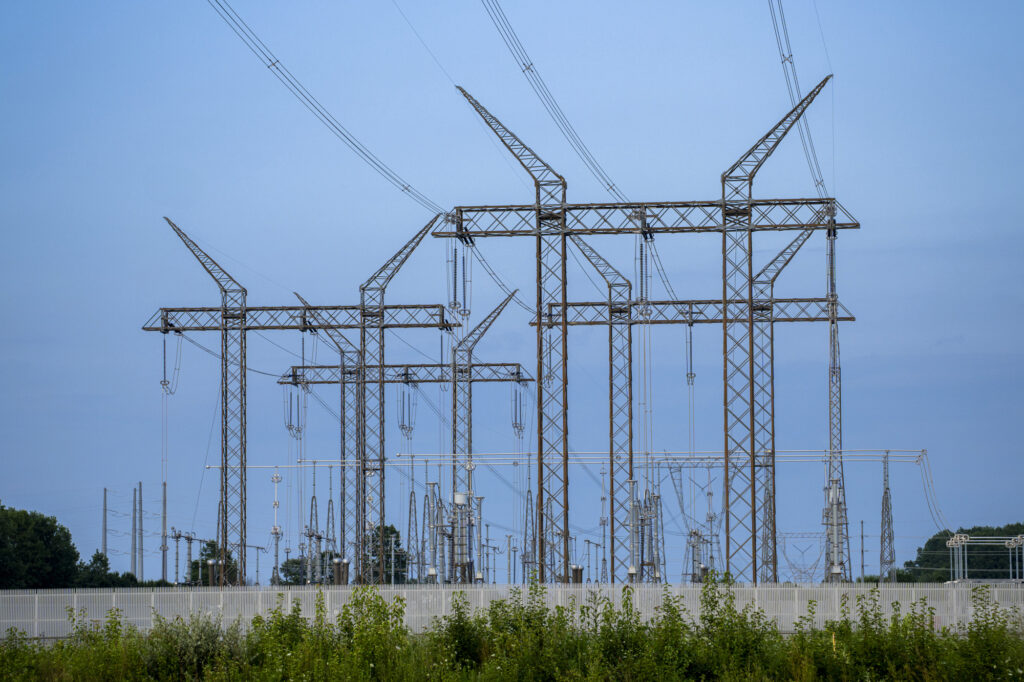

"Power Play: New Federal Rule Aims to Streamline Data Center Connections, But at What Cost?"
Proposed DOE Rule Aims to Streamline Electricity Grid Connections for Large Users
By Dan Gearino, Inside Climate News
In a significant move to reshape the landscape of energy management in the United States, the Department of Energy (DOE) has proposed a new rule aimed at expanding federal oversight of how large electricity consumers, particularly data centers, connect to the national grid. Announced on Thursday night by Energy Secretary Chris Wright, the rule seeks to accelerate the construction of data centers and the power plants that support them, asserting federal authority over areas traditionally managed by state and local utilities.
Key Features of the Proposed Rule
The proposed regulation targets projects with an electricity demand of at least 20 megawatts, equivalent to the energy needs of a small town of 10,000 to 20,000 residents. It focuses on hybrid projects, which are large power users built in conjunction with power plants. The rule aims to streamline the approval process for grid connections, reducing the current lengthy wait times that can extend beyond a year. Under the new framework, the Federal Energy Regulatory Commission (FERC) would be directed to consider a shortened 60-day timeline for approvals, specifically for projects that can adjust their power demand as needed, known as "curtailable" projects.
Wright emphasized the necessity of this rule in a letter announcing the proposal, stating, “To usher in a new era of American prosperity, we must ensure all Americans and domestic industries have access to affordable, reliable, and secure electricity.” He directed FERC to initiate the rulemaking process and aims for finalization by April 30.
Implications for Utilities and Developers
The proposed rule has sparked a mixed response among stakeholders. Utility companies, which have historically profited from the development of new infrastructure, may face significant financial losses. Ari Peskoe, director of the Electricity Law Initiative at Harvard Law School, noted that the rule could deny utilities billions in potential revenue, as it allows developers to finance their own transmission upgrades. This shift could diminish utilities’ ability to pursue profitable projects, leading to potential legal challenges against the rule.
The Edison Electric Institute, a trade group representing utilities, has remained somewhat noncommittal, expressing a willingness to collaborate with FERC while acknowledging the administration’s commitment to energy dominance. Drew Maloney, the institute’s president and CEO, stated, “We look forward to working with FERC to strengthen the grid, drive down costs for customers, and improve reliability across our country.”
Environmental Concerns and Industry Perspectives
While the rule aims to expedite the connection of data centers, which are notorious for their high energy consumption, environmental advocates express concern about the potential climate impact. The rapid growth of data centers could exacerbate electricity demand and hinder efforts to reduce greenhouse gas emissions, particularly in light of policies promoting fossil fuel use.
Experts are divided on the rule’s potential environmental implications. Jeff Dennis, executive director of the Electricity Customer Alliance, highlighted that while the rule could facilitate the construction of renewable energy projects, its direct impact on U.S. climate policy remains uncertain. He noted that many data center developers are committed to utilizing zero-emission energy sources, which could mitigate some negative effects.
Conversely, critics argue that the expedited approval process could lead to hasty decisions that overlook environmental considerations. Camden Weber, a climate and energy policy specialist at the Center for Biological Diversity, criticized the administration for prioritizing the interests of large tech companies over the needs of everyday Americans facing rising utility costs.
Conclusion
As the DOE moves forward with this proposed rule, the energy landscape in the U.S. stands on the brink of a significant transformation. The implications for utilities, developers, and the environment are complex and multifaceted, warranting careful consideration as stakeholders prepare for the upcoming rulemaking process. The outcome could redefine the relationship between federal and state authorities in managing the nation’s electricity grid, with lasting effects on both the economy and the environment.