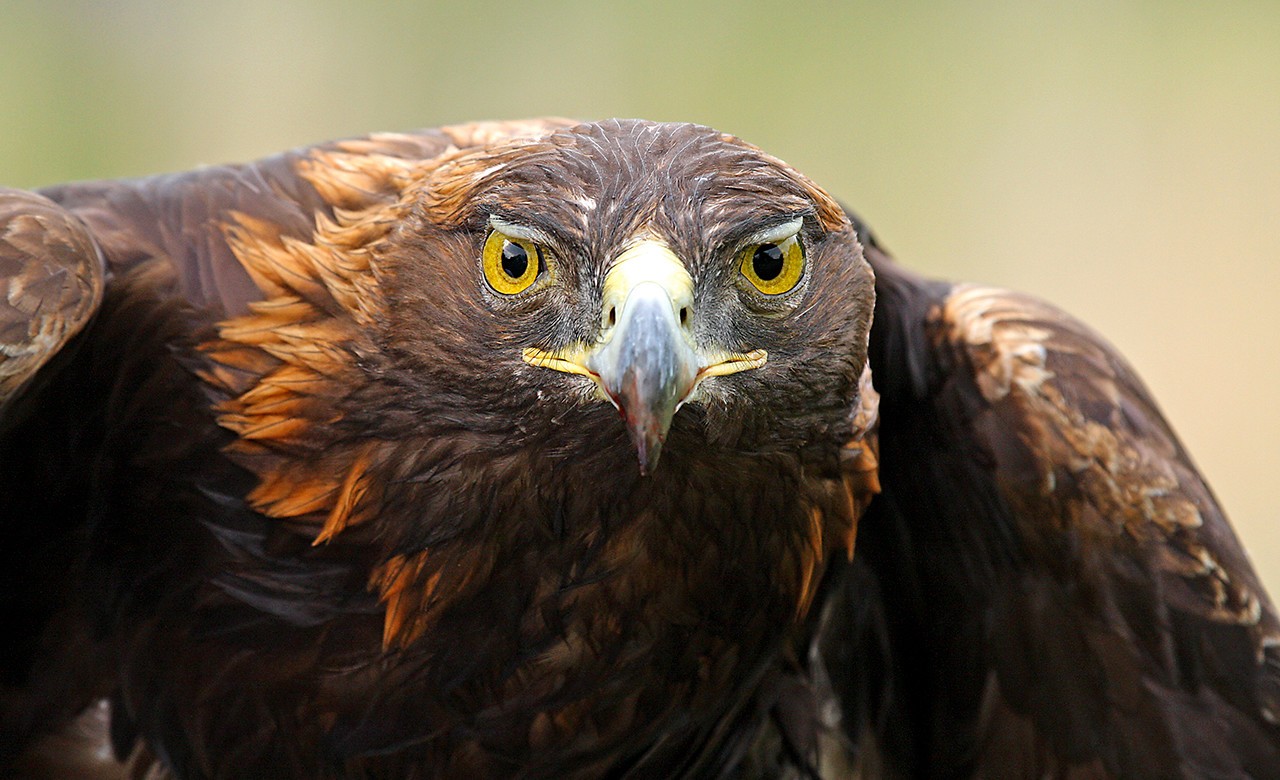

Soaring Insights: How NASA is Safeguarding Golden Eagles on Their Epic Journeys
Golden Eagles: Navigating the Skies with NASA’s Help
Golden eagles, renowned for their majestic flight and extensive migratory patterns, traverse vast landscapes, crossing mountains, grasslands, and even international borders throughout the year. As these magnificent birds embark on their journeys, a dedicated group of scientists and conservationists is leveraging NASA-funded research to better understand their migratory routes and enhance their safety.
NASA’s Earth Action Ecological Conservation Program
At the forefront of this initiative is NASA’s Earth Action Ecological Conservation program, which supports innovative research aimed at protecting wildlife. Scientists are utilizing a combination of GPS tracking data from golden eagles and satellite observations to gain insights into their migratory behaviors. Key data sources include:
- Landsat: Providing detailed imagery of land use and vegetation.
- Moderate Resolution Imaging Spectroradiometer (MODIS): Offering information on surface temperature and vegetation health.
- Global Precipitation Measurement (GPM): Delivering data on rainfall patterns and snow cover.
This comprehensive data collection feeds into decision support tools that empower wildlife managers to visualize the routes taken by golden eagles during migration, their wintering habitats, and the hazards they encounter across expansive landscapes, particularly in the Yellowstone-to-Yukon region—one of North America’s most critical mountain corridors.
Understanding Migration Patterns
Linking eagle migration with environmental data allows researchers to discern how these birds adapt to changing conditions. For instance, fluctuations in vegetation and snow cover can significantly impact their migratory routes and wintering choices. This knowledge is not merely academic; it is actively shaping conservation strategies on the ground.
In Alaska, biologists have utilized tracking data from golden eagles tagged in Denali National Park and Preserve to pinpoint wintering areas where the birds are at risk of electrocution on power poles. This critical information has informed mitigation efforts, leading to the retrofitting of power poles in areas frequented by Denali’s eagles. Such proactive measures have been instrumental in reducing a significant source of mortality for these birds outside protected areas.
Visualization and Broader Implications
The findings from this research are not only being applied in Alaska but are also featured in a new visualization from the Room to Roam: Y2Y Wildlife Movements project, led by Ohio State University. This project, part of the NASA-funded initiative, aims to enhance understanding of how various wildlife species—including bears, wolves, caribou, and birds—navigate the Yellowstone-to-Yukon corridor.
The integration of animal tracking data with Earth observations exemplifies how technology can complement traditional conservation efforts. By visualizing the movements of golden eagles alongside environmental changes, researchers can better predict potential threats and develop targeted conservation strategies.
Conclusion
As golden eagles continue their epic journeys across North America, the collaboration between scientists, conservationists, and NASA is paving the way for a deeper understanding of these birds and their habitats. Through innovative research and data-driven decision-making, efforts to protect golden eagles are becoming more effective, ensuring that future generations can witness the beauty of these remarkable birds in the wild.
This ongoing research not only highlights the importance of interdisciplinary collaboration in wildlife conservation but also underscores the critical role of technology in safeguarding our planet’s biodiversity. As we continue to learn from the movements of golden eagles, we take significant strides toward creating a safer environment for these iconic birds and many other species sharing their habitats.