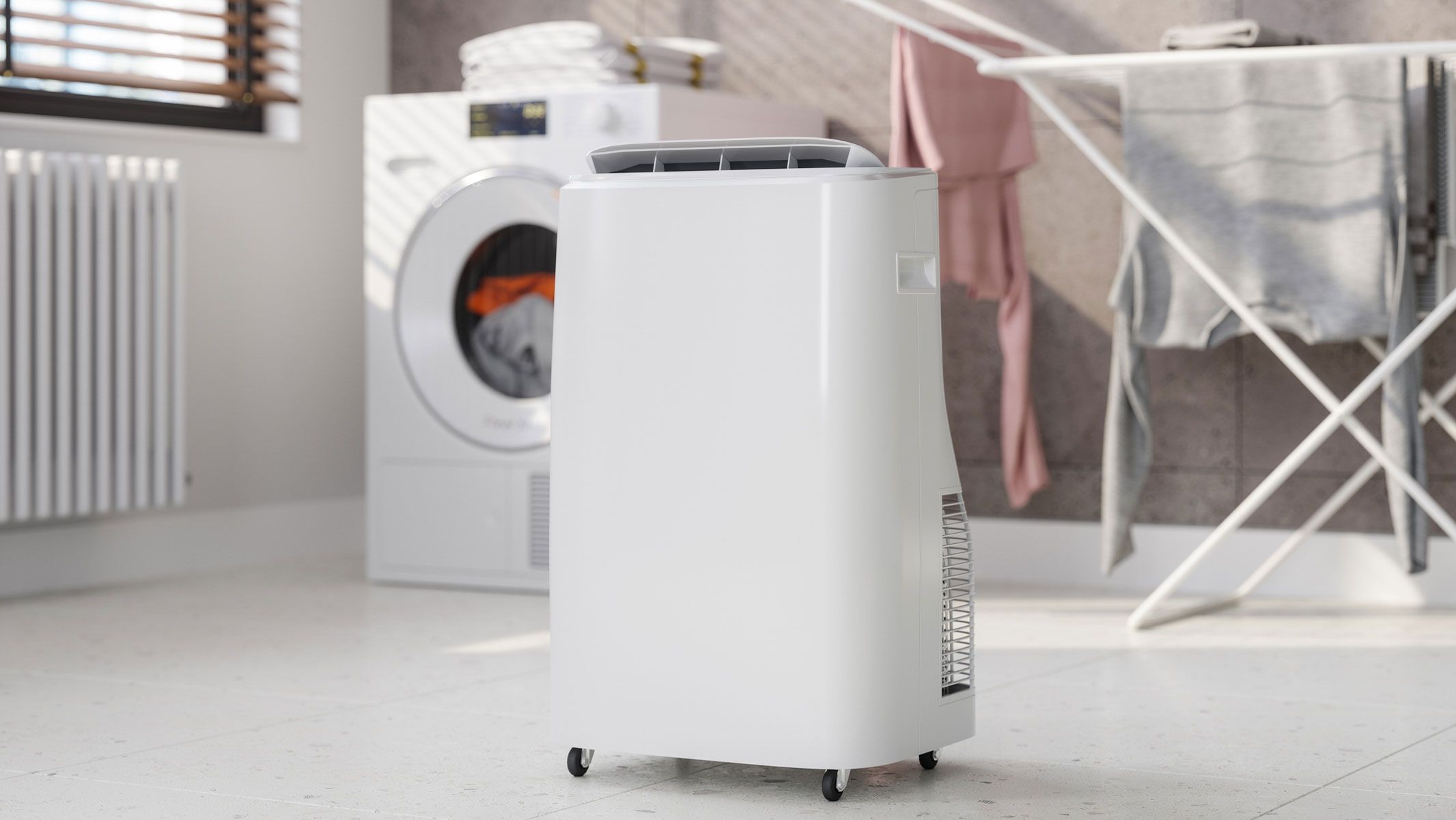

"Breathe Easy: Your Ultimate Guide to Choosing the Perfect Dehumidifier!"
Understanding Dehumidifiers: A Comprehensive Guide to Choosing the Right Model
As humidity levels rise, many homeowners and renters turn to dehumidifiers to create a more comfortable living environment. These devices are designed to draw in damp air, remove excess moisture, and release drier air back into the room. However, selecting the right dehumidifier is not as straightforward as simply choosing the one that claims to remove the most water per day. Various factors, including room size, existing moisture levels, and climate, play a crucial role in determining the most suitable model for your needs.
The Importance of Purpose
Before diving into the specifics of dehumidifiers, it’s essential to clarify your reason for purchasing one. Common motivations include:
- Condensation on windows
- Mold growth
- Damp or musty smells
- Damp patches on walls
- Difficulty drying clothes indoors during winter
Understanding your specific needs will help narrow down your options significantly.
Types of Dehumidifiers
There are two primary types of dehumidifiers, each suited for different environments:
-
Refrigerant Dehumidifiers: Ideal for warmer environments, these units use a fan to draw in moist air, which then passes over coolant-cooled coils. The air is warmed, dried, and recirculated back into the room. This type is effective in heated spaces like living rooms.
- Desiccant Dehumidifiers: These units utilize a heated, absorbent material to extract moisture from the air. They are particularly effective in cooler environments, such as garages or conservatories.
Choosing the right type based on your environment is crucial for optimal performance.
Understanding Dehumidifier Labels
Dehumidifiers are often labeled by the amount of moisture they can remove in 24 hours. For example, the GE APER50LZ model claims to remove 50 pints (approximately 28 liters) of moisture daily. Here’s a rough guideline for selecting the right capacity:
- 8-12L: Best for 1-2 bedroom apartments
- 12-20L: Ideal for 2-3 bedroom homes
- 20+L: Suitable for large homes or very damp spaces
Keep in mind that these figures are typically derived from lab conditions and should be used as a general guideline rather than an absolute measure.
Design Considerations
When selecting a dehumidifier, several design factors should be taken into account:
Noise Levels
Noise can be a significant factor, especially if the unit will be used in living spaces. For instance, the Honeywell TP50WKN is noted for its relatively quiet operation, while the GE APER50LZ has moderate noise levels. If noise is a concern, consider models designed for quieter operation.
Tank Size and Drainage Options
The size of the water tank affects how often it needs to be emptied. Larger tanks require less frequent emptying but may make the unit less portable. Continuous drainage options can also be beneficial. There are two types:
- Gravity Drainage: Water flows downward through a hose to a drain or sink that is lower than the dehumidifier’s outlet.
- Pump-Assisted Drainage: This allows water to be pumped upward, making it easier to direct the water to a sink or out a window.
Portability
Some dehumidifiers are designed to remain in one place, while others are more portable. Models with wheels or handles, like the LG UD501KOG5, can be moved easily from room to room.
Features
Modern dehumidifiers often come with various features, such as:
- Auto-shutdown: Stops the unit when the water tank is full.
- Smart features: Some models can monitor humidity levels and adjust settings automatically.
- Dedicated modes: For specific tasks, like laundry drying.
Maintenance Costs
The initial purchase price of a dehumidifier is just one aspect of the overall cost. Energy consumption is another critical factor. Energy Star-certified models, such as the Honeywell TP50WKN, are designed for efficiency and can save money in the long run.
Additionally, consider the warranty offered by the manufacturer. For example, the Honeywell TP50WKN includes a generous five-year warranty, while the GE APER50LZ offers only a one-year limited warranty.
Conclusion
Choosing the right dehumidifier involves understanding your specific needs, the environment in which it will be used, and the various features available. By considering factors such as type, capacity, design, and maintenance costs, you can select a model that effectively manages humidity levels in your home, ensuring a comfortable and healthy living environment. As technology advances, newer models will likely offer even more features, making it essential to stay informed about the latest options available.