
"Eaton Fire Fallout: Survivors Demand Accountability as Utilities Seek Protection from Wildfire Costs"
A Year After the Eaton Fire: Survivors Clash with Electric Utilities Over Liability Protections
California, October 2025 — As the one-year anniversary of the devastating Eaton fire approaches, a contentious debate has erupted between survivors of the disaster and the state’s electric utilities regarding the legal protections afforded to these companies under California law. The fire, which is suspected to have been ignited by equipment from Southern California Edison (SCE), has raised critical questions about accountability and the financial responsibilities of utility companies in the wake of catastrophic wildfires.
The Legal Landscape
In 2019, California enacted Assembly Bill 1054, a measure designed to shield electric utilities from the financial repercussions of wildfires ignited by their equipment. This law was introduced in response to the bankruptcy of Pacific Gas and Electric (PG&E) following the 2018 Camp fire, which resulted in 85 fatalities and the destruction of the town of Paradise. Under AB 1054, utilities are presumed to have acted prudently if their equipment starts a wildfire, limiting their financial liability to a maximum of $1 billion, with the remainder covered by a state wildfire fund.
Currently, SCE asserts that it expects to incur little to no costs related to the Eaton fire, thanks to these legal protections. The company has indicated that it believes it acted prudently and will be fully covered for damages, which are estimated to reach as high as $45 billion.
Survivor Perspectives
However, survivors of the Eaton fire and consumer advocacy groups argue that these protections have gone too far, allowing utilities to evade accountability for their actions. Joy Chen, executive director of the Eaton Fire Survivors Network, expressed deep concern over the implications of continued legal protections for utilities. “What do you think will happen if you constantly protect perpetrators of fires?” she questioned, highlighting the moral hazard that such laws create.
In recent filings to state officials, fire victims have called for a reevaluation of the laws that shield utilities from the financial consequences of their negligence. They argue that the current framework has led to an increase in wildfires, as companies are not held accountable for their mistakes. “The predictable outcome of continuing to protect shareholders and executives from the consequences of their own negligence is not theoretical. It is observable. More catastrophic fires,” Chen stated.
Ongoing Investigations and Future Implications
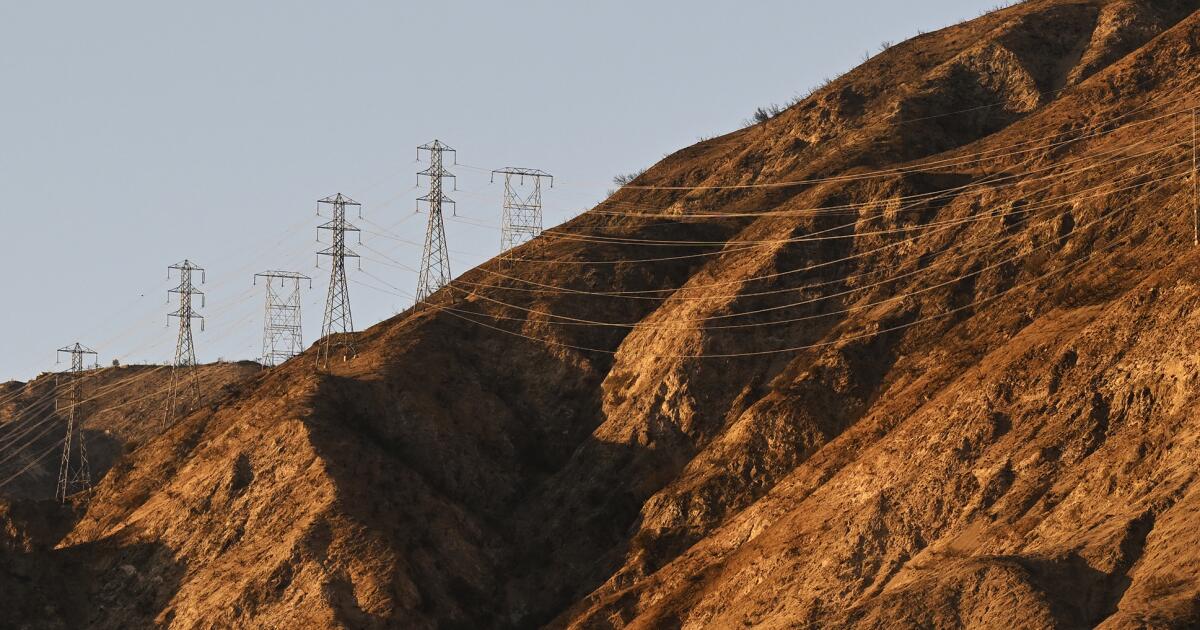
The investigation into the cause of the Eaton fire is still ongoing, but preliminary theories suggest that a dormant transmission line, which had not been used for over 50 years, may have been re-energized and sparked the blaze. This raises serious questions about the utility’s maintenance practices and the risks posed by aging infrastructure.
Edison’s CEO, Pedro Pizarro, has defended the company’s actions, stating, “The law keeps us very accountable.” He emphasized that the protections are necessary to prevent bankruptcy, which could lead to higher electric bills for consumers. However, critics argue that the current system disproportionately impacts lower-income Californians, who bear the brunt of increased utility costs.
Legislative Developments
The debate over utility liability is currently unfolding in Sacramento, where the California Earthquake Authority is conducting a comprehensive study ordered by Governor Gavin Newsom. This study aims to assess how best to protect Californians from the devastating impacts of wildfires. Survivors like Chen have expressed frustration over the focus of discussions, which they feel prioritize the interests of utilities and their shareholders over the needs of fire victims.
In a recent email to authority officials, Chen pointed out discrepancies in executive compensation at Edison, noting that four of the five top executives received higher bonuses in the year leading up to the Eaton fire, despite the rising number of fires attributed to the utility’s equipment.
Calls for Reform
Advocates for reform, including members of the Utility Wildfire Survivor Coalition, have proposed that utilities should be required to use shareholder funds to cover fire damages and suspend dividends during catastrophic events. Carmen Balber, executive director of Consumer Watchdog, has called for the establishment of a negligence standard to determine when utility shareholders should be held financially responsible.
As the investigation into the Eaton fire continues and the state study progresses, the outcome could have significant implications for the future of utility regulation in California. With the stakes high for both survivors and electric companies, the resolution of this debate will be closely watched by stakeholders across the state.
Conclusion
As California grapples with the ongoing threat of wildfires, the clash between survivors and electric utilities underscores the urgent need for a reassessment of the legal frameworks that govern utility accountability. With the potential for further catastrophic fires looming, the decisions made in the coming months will be pivotal in shaping the future of wildfire management and utility regulation in the state.