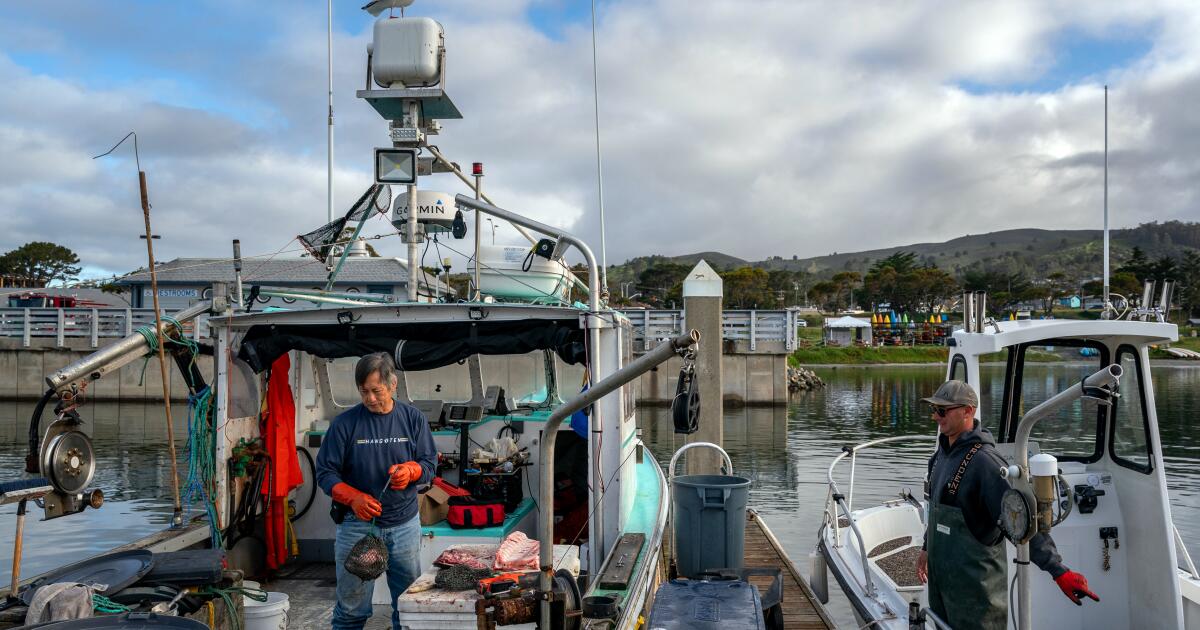

"California’s Salmon Comeback: Commercial Fishing Resumes After Three-Year Hiatus!"
California’s Salmon Fishing Season Reopens After Three-Year Shutdown
California Coastline — For the first time since 2022, commercial fishing crews will be allowed to catch salmon along the California coast, marking a significant shift in the state’s fishing regulations. The Pacific Fishery Management Council (PFMC), a federal body tasked with managing ocean fishing along the West Coast, voted on Sunday to approve a plan to reopen the salmon fishing season under strict limits. This decision comes after a notable increase in the struggling salmon population, which had led to the longest fishing shutdown in California’s history.
A Historic Decision
The PFMC’s meeting in Portland, Oregon, culminated in a unanimous vote to reinstate limited salmon fishing, a move that has been met with cautious optimism from both regulators and fishermen alike. “Salmon are part of the cultural fabric of California, and I’m delighted more Californians will have the opportunity to enjoy these magnificent fish,” said Meghan Hertel, director of the California Department of Fish and Wildlife.
The reopening is particularly significant given the sharp decline in the Chinook salmon population, which prompted the ban on commercial fishing from 2023 to 2025. The decision to lift the ban reflects a positive trend in salmon numbers, attributed to improved river conditions and conservation efforts.
Fishing Limits and Regulations
Under the new plan, fishermen in the San Francisco region will be allowed to catch a maximum of 160 Chinook salmon per vessel during designated periods in May and August, with an additional allowance of 100 salmon on select dates in September. Other regions will have different regulations, all aimed at ensuring sustainable fishing practices while allowing crews to earn a living.
Vance Staplin, executive director of the Golden State Salmon Association, described the limited reopening as a "lifeline" for many fishermen who have struggled to sustain their businesses during the shutdown. “They’re not getting enough to sustain their businesses the way it was prior to this shutdown, by any means,” he noted.
Economic Impact of the Shutdown
The three-year closure has had a devastating impact on California’s fishing industry, forcing many fishermen to abandon their boats or seek alternative employment. Chris Pedersen, a 66-year-old fisherman from Half Moon Bay, shared his experience of relocating to Arizona after the shutdown left him unable to make a living. “Nobody can afford to fish in California,” he lamented, highlighting the exodus of skilled fishermen from the state.
Despite federal disaster relief funds amounting to $20.6 million aimed at supporting affected fishing communities, many, including Pedersen, found the assistance insufficient to cover their losses. “I put everything I have into my boat, and we don’t get to fish,” he said.
Environmental Factors and Salmon Recovery
Biologists attribute the decline in salmon populations to a combination of factors, including habitat loss due to dams, climate change, and severe drought conditions. The recent wet winters, particularly the winter of 2023, have contributed to improved river flows, aiding in the recovery of salmon populations. Wade Crowfoot, California’s natural resources secretary, expressed hope that the reopening of the fishing season signals a positive trend for the state’s rivers and ecosystems.
Government-run hatcheries in the Central Valley have also played a crucial role in rearing and releasing millions of salmon annually, contributing to the rebound of salmon numbers. Crowfoot emphasized the importance of ongoing efforts to restore vital habitats and remove barriers to fish migration.
A Cautious Optimism
While the reopening of the salmon fishing season is a positive development, experts caution that the fall-run Chinook population remains significantly smaller than it was in the early 2000s. Staplin criticized the state government for prioritizing agricultural water use over fish conservation, pointing to the expansion of almond and pistachio orchards as a contributing factor to the salmon’s plight.
Sarah Bates, a commercial fishing boat operator in San Francisco, expressed a mix of hope and concern. “We’ve lost a lot of people. And given a lot of factors in the industry, I’m not sure that those people will ever come back,” she said. However, she remains optimistic that the limited salmon season could provide a much-needed boost to struggling fishing businesses.
Looking Ahead
As California’s fishing community prepares for the reopening, many are hopeful that this year marks the beginning of a long journey toward recovery. Bates believes that with continued efforts, California can rebuild a healthy salmon population. “There’s still a lot of work that needs to be done,” she said, emphasizing the need for sustainable practices to ensure the future of both the salmon and the fishing industry.
The reopening of the salmon fishing season is not just a regulatory change; it represents a critical moment for California’s coastal communities, their economies, and the environment. As fishermen gear up for the season, the hope is that this will be the first step toward restoring a vital part of California’s cultural and ecological heritage.