
"Oklahoma Senator Takes Bold Steps to Regulate Toxic Oilfield Wastewater Amid Growing Environmental Concerns"
Oklahoma Senator Proposes Legislation to Regulate Oilfield Wastewater Injection Amid Pollution Concerns
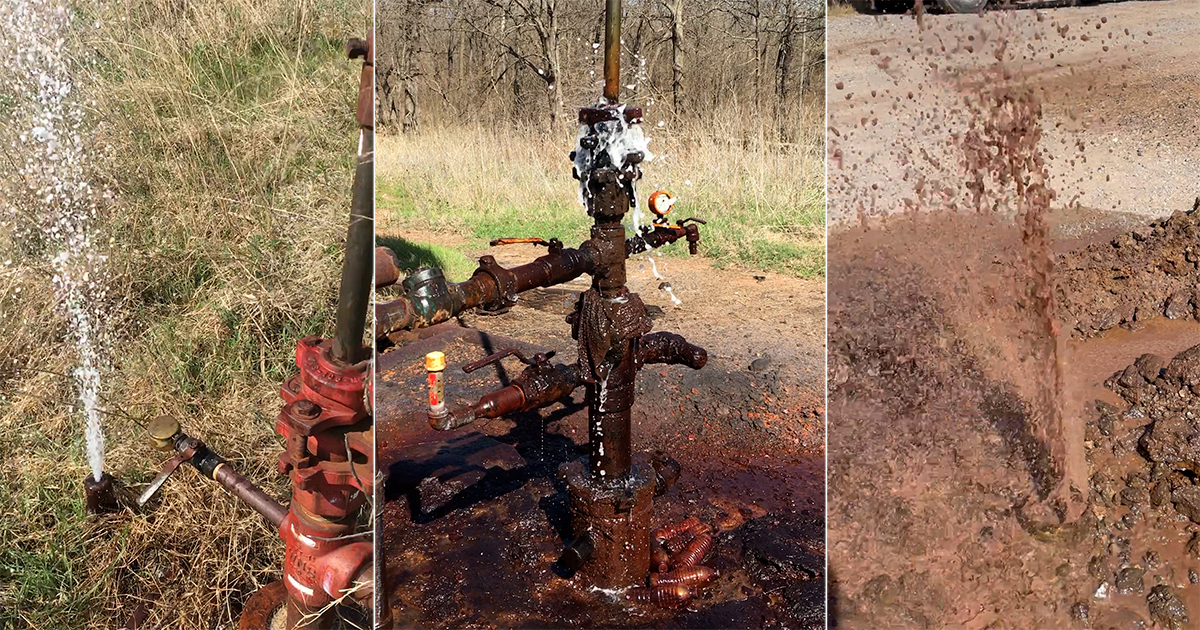
In a significant move to address environmental and public health concerns, Oklahoma State Senator Mary Boren has introduced a series of bills aimed at tightening regulations on the injection of oilfield wastewater underground. This legislative effort comes in response to a comprehensive investigation by The Frontier and ProPublica, which uncovered over 150 incidents of toxic wastewater releases, raising alarms about the potential contamination of groundwater and public health risks.
Legislative Context
As the legislative session begins on Monday, Boren, a Democrat and member of the Energy Committee, has filed four bills designed to enhance oversight of the oil and gas industry, a key economic sector in Oklahoma. Historically, such regulations have faced significant challenges in the GOP-controlled Legislature, often encountering resistance from industry stakeholders. However, Boren emphasizes the urgency of the situation, stating, “My responsibility is to pay attention to things that could solve problems for real Oklahomans.”
Findings from Investigative Reports
The investigation by The Frontier and ProPublica highlighted alarming instances where oilfield wastewater, containing hazardous chemicals linked to cancer, has erupted from the ground near residential areas, agricultural land, and drinking water sources. The Oklahoma Corporation Commission, the state’s regulatory body for oil and gas, has been aware of the risks associated with high injection pressures, which have been identified as a primary cause of these toxic releases. Despite this knowledge, the commission has not imposed fines for such incidents in the past five years, opting instead for a more lenient approach.
Proposed Legislation
Among the key proposals is SB 1419, which mandates that oil and gas companies assess the pressure at which they inject wastewater to prevent potential cracking of underground rock layers. This bill also requires companies to conduct tests to ensure that toxic fluids are not migrating into drinking water sources, with results reported to state regulators who would be tasked with investigating problematic wells.
Another notable bill, SB 1474, seeks to impose a fee of $0.01 per barrel of oilfield wastewater produced in the state. This fee is projected to generate millions annually, funding groundwater testing, land restoration, and well cleanup efforts. Companies could receive deductions on this fee by investing in wastewater recycling technologies.
Boren’s legislation also aims to protect landowners affected by oil and gas operations. Currently, landowners may not own the mineral rights beneath their property, leading to a lack of transparency when wells are sold. One of Boren’s bills would require companies to notify landowners prior to the sale of wells on their property, addressing concerns that old, undercapitalized companies often acquire these wells, leaving cleanup costs to taxpayers when they go bankrupt.
Financial Accountability Measures
Two additional bills focus on ensuring that oil and gas companies have the financial capacity to properly plug and clean up wells. SB 1418 would require state regulators to evaluate a buyer’s financial stability before finalizing any sale of oil and gas wells, blocking transactions involving companies deemed financially distressed or insolvent.
Boren’s previous legislative efforts have already led to increased financial requirements for companies to ensure proper cleanup of wells, reflecting a growing recognition of the need for accountability in the industry.
Industry Response
While Boren’s proposals aim to enhance regulatory oversight, the response from industry representatives has been muted. Sen. Grant Green, the Republican chair of the Energy Committee, declined to comment on the proposed bills, and organizations such as the Oklahoma Energy Producers Alliance and the Oklahoma Petroleum Alliance have not provided statements regarding the legislation.
Conclusion
As Oklahoma grapples with the implications of oilfield wastewater pollution, Boren’s proposed legislation represents a critical step toward safeguarding public health and the environment. The outcome of these bills will depend on garnering support from both lawmakers and the public, as the state navigates the complex interplay between economic interests and environmental protection. With groundwater safety at stake, the coming weeks will be pivotal in determining the future of oil and gas regulation in Oklahoma.