
"Unraveling the Maricopa County Election Controversy: A Deep Dive into the FBI’s Latest Investigation"
FBI Subpoenas Maricopa County Voting Data Amid Ongoing Election Integrity Investigations
Phoenix, Arizona — This week, the FBI received a trove of voting information from Maricopa County, Arizona, a move that echoes the agency’s recent actions in Fulton County, Georgia. Both counties, pivotal in the 2020 presidential election, have been central to former President Donald Trump’s claims of electoral fraud. However, the nature of the evidence collected from Maricopa County raises significant concerns among election experts regarding the integrity of the ongoing investigation.
Context of the Subpoena
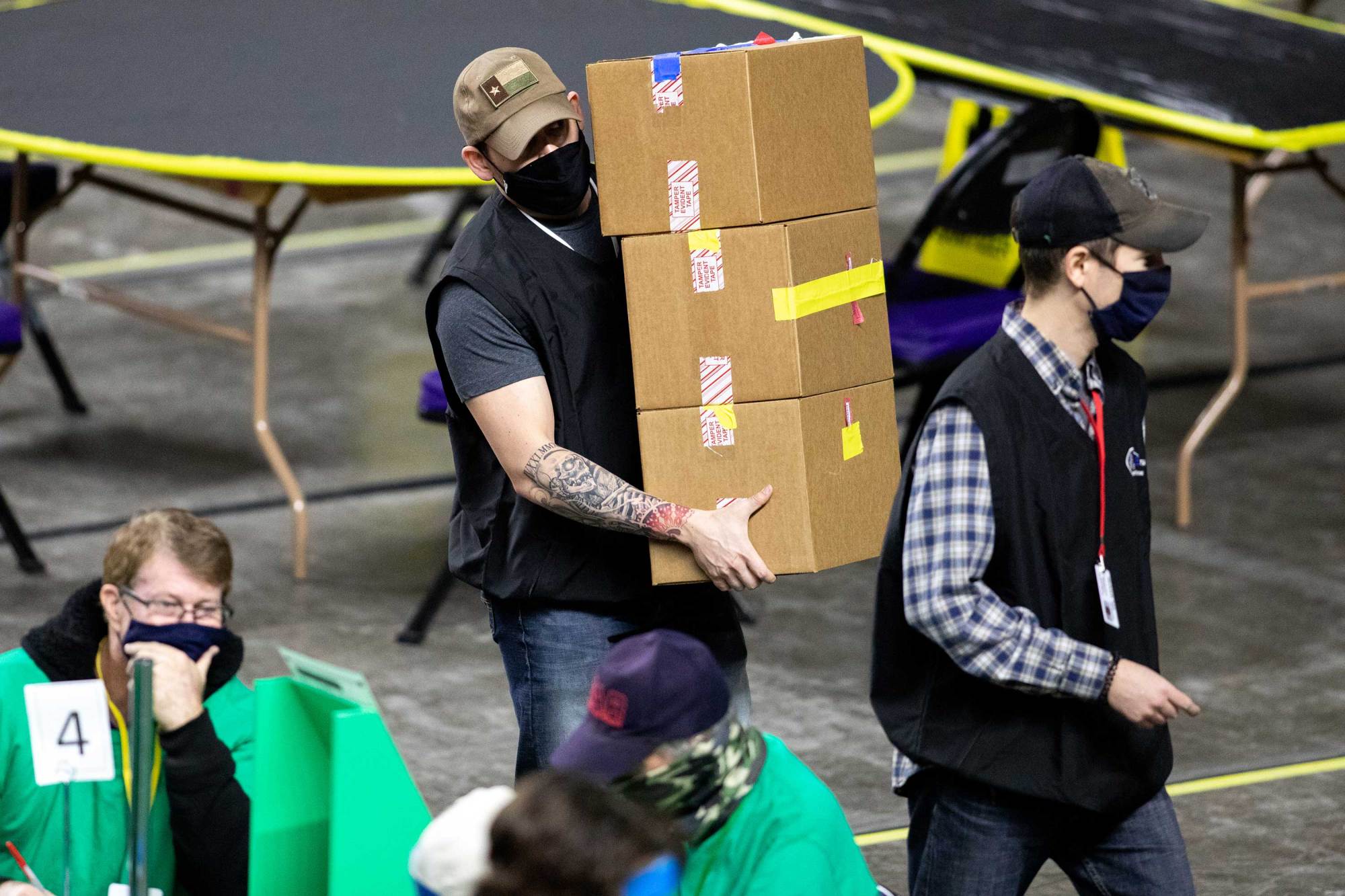
The FBI’s subpoena pertains to digital data linked to a controversial partisan audit conducted by Cyber Ninjas, a firm closely associated with Trump allies. Arizona Senate President Warren Petersen confirmed that the subpoena sought data related to the audit, which included scans and photographs of ballots. Unlike Fulton County, where actual ballots were secured in court storage, Maricopa County had already destroyed its original ballots in compliance with state law, which mandates their retention for only two years.
The audit, initiated in April 2021, was marked by allegations of partisanship and procedural irregularities. Cyber Ninjas, under the direction of Doug Logan, faced criticism for its methodology and transparency. Logan himself acknowledged in private communications that the audit’s findings were "screwy," raising questions about the reliability of the data now in the FBI’s possession.
Concerns from Election Experts
Election experts have voiced serious concerns about the validity of the data collected by Cyber Ninjas. Ryan Macias, a national elections technology consultant who observed the audit, stated, “Accessing invalid data will only draw inaccurate conclusions and risk further degradation of public confidence.” This sentiment is echoed by Arizona Secretary of State Adrian Fontes, who emphasized that the contractor’s sloppy procedures would likely render the records inadmissible in court.
The audit’s findings, which ultimately confirmed Biden’s victory in Maricopa County, have been repeatedly validated by independent audits and hand counts conducted by the county itself. Courts have dismissed numerous lawsuits filed by Trump’s legal team alleging fraud, further solidifying the legitimacy of the county’s election results.
The Role of Cyber Ninjas
Cyber Ninjas’ audit methodology has been heavily scrutinized. The firm conducted its review without oversight from county or Senate employees, allowing only limited access to observers from the Secretary of State’s office after a court ruling mandated transparency. Reports indicated that the firm made significant errors in vote counting and misinterpreted routine election processes as signs of irregularities. For instance, it erroneously claimed that 74,000 more mail-in ballots were cast than were sent out, a discrepancy that was later clarified as ballots being distributed in person at early voting locations.
Political Implications and Ongoing Investigations
The subpoena from the FBI is part of a broader effort by the Trump administration to investigate alleged irregularities in the 2020 election. Kurt Olsen, a lawyer involved in Trump’s attempts to overturn the election results, has been tasked with leading the inquiry. The implications of this investigation extend beyond Arizona, as it reflects ongoing national debates about election integrity and the legitimacy of the 2020 election results.
Arizona Governor Katie Hobbs, who served as Secretary of State during the audit, expressed skepticism about the integrity of the records handed over to the FBI. “I don’t think anyone should have confidence in whatever comes out of whatever was turned over to the FBI,” she stated, highlighting the uncertainty surrounding the data’s reliability.
Conclusion
As the FBI delves into the data from Maricopa County, the integrity of the investigation remains in question. With mounting evidence suggesting that the Cyber Ninjas’ audit was flawed, the potential for misleading conclusions looms large. The unfolding situation underscores the critical importance of maintaining public trust in electoral processes, particularly in a nation grappling with deep political divisions and ongoing debates about election integrity.