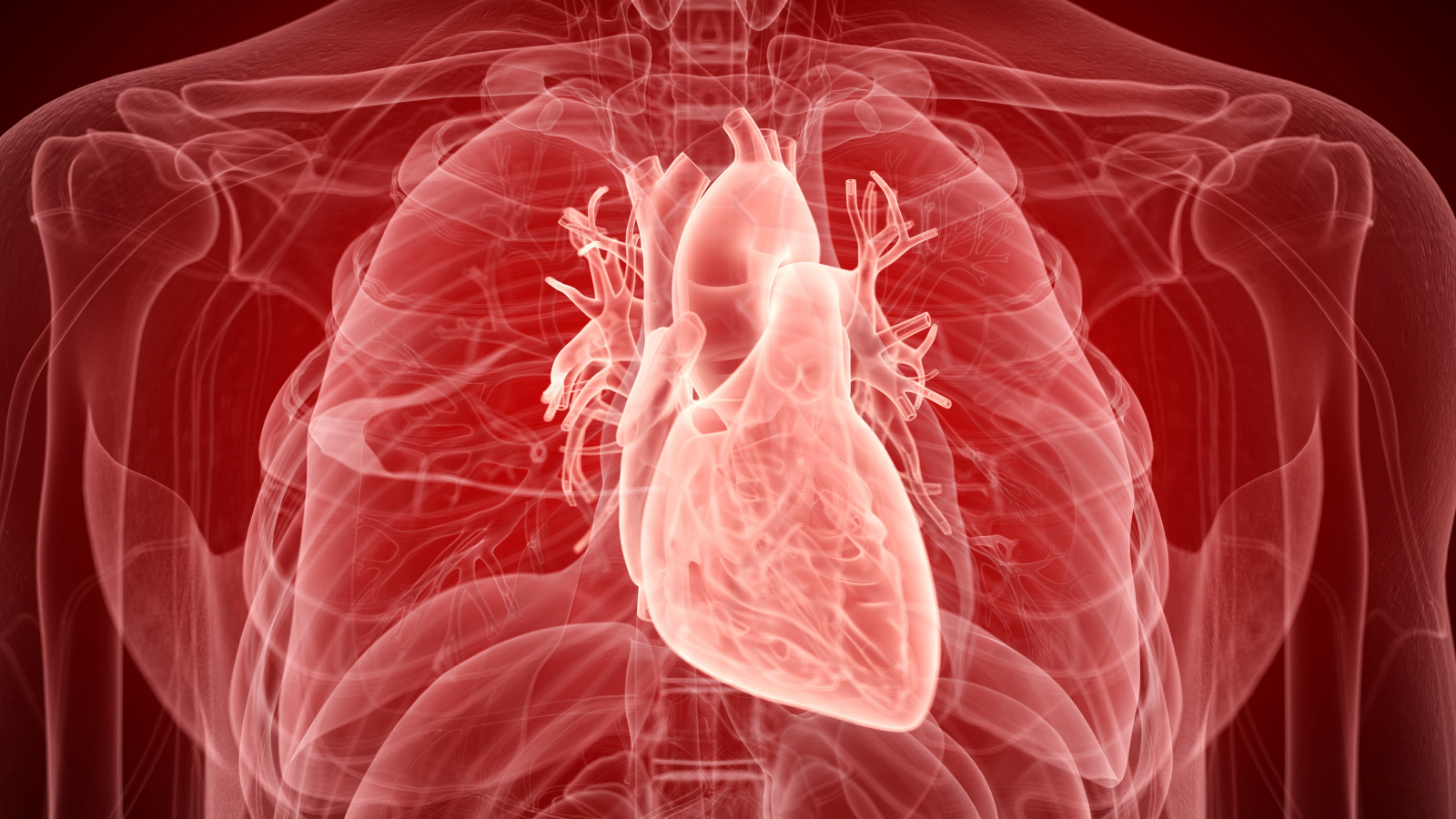

"Unraveling the Mystery: A Rare Cardiac Discovery in a 39-Year-Old Man’s Autopsy"
Unraveling the Mystery of the Os Cordis: A Rare Discovery in a 39-Year-Old Man
In a remarkable case that has captivated the medical community, a 39-year-old man in the United States was found to have an unusual bony structure in his heart during an autopsy following a fatal altercation. This structure, identified as the os cordis, is rarely documented in humans and has primarily been observed in nonhuman mammals, particularly ruminants such as cows and camels.
Autopsy Findings
The autopsy revealed that the man had sustained a stab wound that punctured a vein in his lungs, leading to his death. Medical examiners also noted that his heart was slightly enlarged and exhibited signs of moderate atherosclerotic coronary artery disease (CAD) in two vessels. CAD is characterized by the buildup of plaque in the arteries, which can lead to serious cardiovascular complications.
Upon further examination of the heart, the medical team discovered a "boomerang-shaped, bony structure" approximately the size of a black bean located around the atrioventricular node. This node plays a crucial role in coordinating electrical signals between the heart’s upper and lower chambers.
The Os Cordis: A Rare Cardiac Structure
The os cordis is a bony structure that has long been recognized in various nonhuman mammals, where it is believed to support the cardiac valves that regulate blood flow within the heart. Its presence in humans is exceedingly rare, with only a few documented cases. The structure was recently described in primates, including a 2020 study that examined 16 chimpanzee hearts, revealing that three contained an os cordis. These chimpanzees also exhibited heart-tissue scarring, suggesting a potential link between tissue damage and the development of this bony structure.
In the same year, Dr. Jorge Trainini, a cardiac surgeon and professor at the National University of Avellaneda in Argentina, reported a similar structure in seven humans, coining the term "cardiac fulcrum." His findings indicated that this structure, unlike the os cordis found in animals, was primarily composed of cartilage and tendon rather than bone. However, he noted that a heart from a 10-year-old patient with cardiomyopathy contained bony tissue, indicating that the structure might lose its bony nature with age.
Diverging Perspectives
While Dr. Trainini posits that the os cordis and the cardiac fulcrum are essentially the same structure, the authors of the recent case report maintain that the bony structure found in the 39-year-old man is distinct due to its composition. They suggest that the os cordis may be more prevalent in humans than previously recognized, as their discovery occurred during a non-standard autopsy dissection, which might have overlooked similar structures in other cases.
Dr. Trainini has argued that all humans likely possess a cardiac fulcrum based on his investigations of around 100 human hearts. The case report authors, while acknowledging his findings, emphasize that the formation of the os cordis in this particular individual may be linked to his underlying cardiac disease, a notion supported by observations in other animals where age and disease influence the presence of such structures.
Implications for Future Research
This case not only sheds light on a rare anatomical feature but also raises questions about the prevalence and significance of the os cordis in human hearts. The authors of the case report suggest that further research is needed to determine how often this structure occurs and its potential implications for cardiac health.
As the medical community continues to explore the complexities of human anatomy, this discovery serves as a reminder of the intricacies of the human body and the potential for uncovering new knowledge that could inform future medical practices.
For more intriguing medical cases and discoveries, readers are encouraged to explore the Diagnostic Dilemma archives, which delve into the fascinating world of medical anomalies and their implications for healthcare.