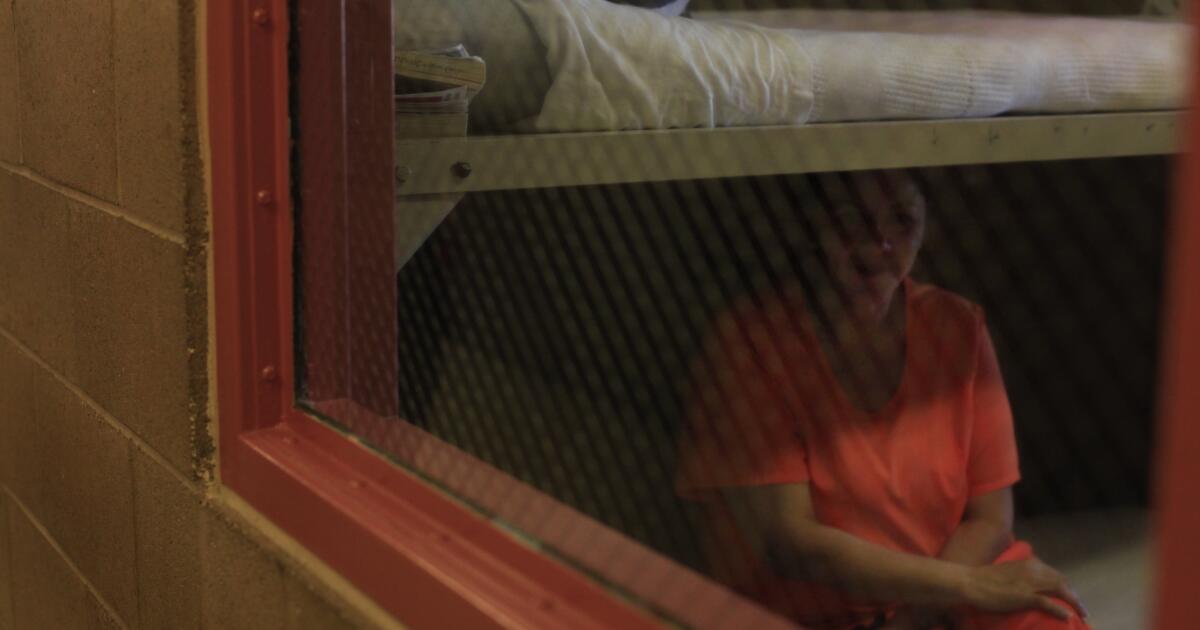

“Extreme Heat Wave in California Prisons Raises Concerns About Inmate Safety and Preparedness”
The recent heat-related death of a prison inmate in California’s Central Valley has brought attention to the dire conditions faced by incarcerated individuals in the face of extreme weather events. The inmate, identified as Adrienne M. Boulware, passed away at the Central California Women’s Facility in Chowchilla after suffering from heat exhaustion during a heatwave that saw temperatures soar to 113 degrees.
California’s prisons are ill-equipped to handle the impacts of climate change due to factors such as remote locations, aging infrastructure, and overcrowding. Many facilities lack central air conditioning, proper ventilation, shade structures, or backup generators to provide relief during power outages. A report by the UCLA Luskin School of Public Affairs and the Ella Baker Center for Human Rights highlighted these deficiencies.
Incarcerated individuals, numbering around 94,000 in the state, are particularly vulnerable to climate hazards as they rely entirely on the California Department of Corrections and Rehabilitation for preparedness and response. The lack of adequate cooling systems and infrastructure puts them at risk during heatwaves, wildfires, and floods.
The survey of nearly 600 incarcerated individuals revealed that the majority felt unprepared for extreme heat, despite having experienced it. Many reported a lack of access to shade, air-conditioned rooms, or increased shower opportunities during heat events. The inmates advocated for improvements such as the addition of air conditioners, ventilation, shade, and better training for staff.
While the CDCR has outlined some projects to address these concerns in its 2023 annual report, many of the plans have timelines of five to ten years. With temperatures expected to rise significantly in the coming years, the need for immediate action to protect incarcerated individuals from heat-related illnesses is critical.
Researchers have recommended creating more robust disaster preparedness plans, releasing vulnerable and aging prisoners, and closing overcrowded facilities. The closure of Chuckawalla State Prison in 2025 is already planned, but additional closures have not been announced. The other seven facilities identified as most vulnerable to extreme heat are also in need of urgent attention.
Despite efforts to address heat-related risks, prison workers were excluded from new heat regulations for indoor workers by the California Occupational Safety and Health Administration, citing concerns about the cost of compliance. Families of incarcerated individuals have expressed grave concerns about the health and safety of their loved ones during heatwaves, highlighting the urgent need for action to prevent further heat-related deaths in California’s prisons.