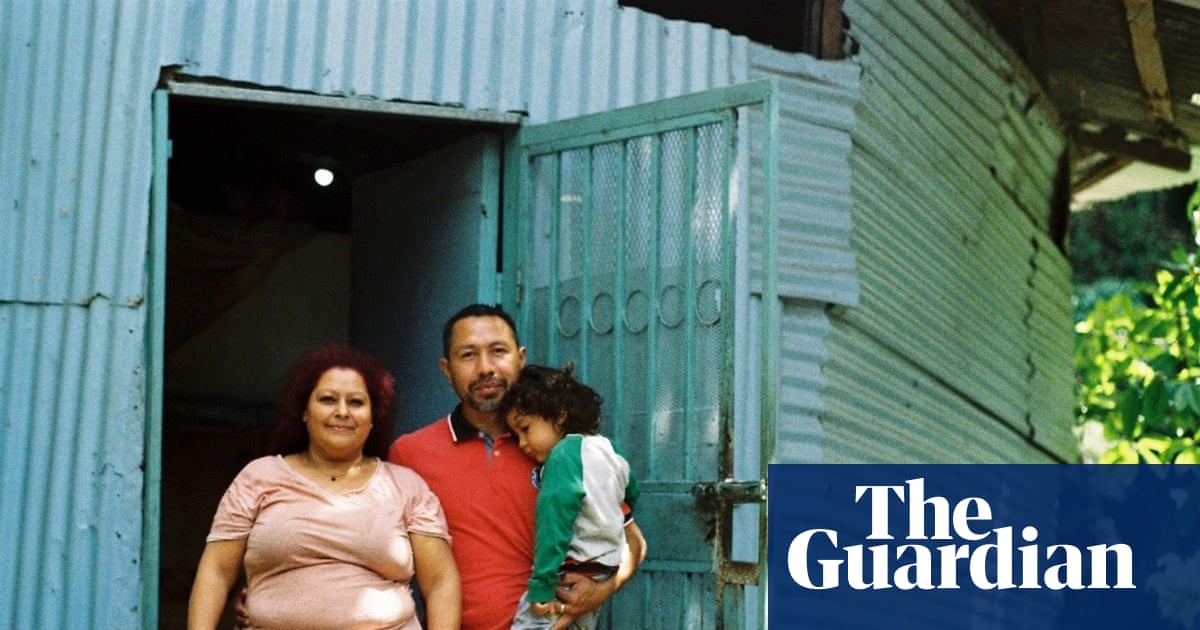

"From Memories to Action: A Family’s Fight for Safety Amidst Climate Crisis in La Carpio"
Community Resilience Amidst Climate Challenges: The Story of La Carpio
La Carpio, Costa Rica — In the heart of La Carpio, a neighborhood on the outskirts of San José, the struggle for safety and stability is palpable. Emilio Peña Delgado, a Nicaraguan migrant, embodies the resilience of his community, which faces the dual threats of flooding from the Río Torres and landslides from the steep hillsides that surround them.
Delgado, who migrated to Costa Rica at the age of 10, has dedicated himself to improving the living conditions for his family and neighbors. His home, adorned with family photographs capturing moments of joy, stands in stark contrast to the precarious reality outside. On October 10, 2022, heavy rains caused significant flooding, damaging homes and prompting emergency evacuations. This event was not an isolated incident; it was part of a troubling trend exacerbated by climate change.
The Impact of Climate Change
Costa Rica has experienced a marked increase in extreme weather events, including hurricanes and heavy rainfall, which have led to devastating floods and landslides. The storms of recent years—Otto in 2016, Nate in 2017, and Eta and Iota in 2020—have collectively displaced thousands and caused damages amounting to hundreds of millions of dollars. In November 2024 alone, floods displaced over 800 people, highlighting the urgent need for effective disaster management and community support.
According to a survey by the European Investment Bank, 42% of Costa Ricans report being affected by water scarcity, a situation that further complicates the lives of those in vulnerable areas like La Carpio. The National Commission for Risk Prevention and Emergency Care has repeatedly classified La Carpio as uninhabitable due to its overcrowded conditions and susceptibility to natural disasters.
Community Action and Advocacy
In the aftermath of the October storm, Delgado took the initiative to lead a community effort aimed at relocating families to safer ground. He established a Facebook page, "Río Torres La Carpio," to raise awareness and gather support for his cause. His efforts have garnered attention from organizations like the Costa Rican Humanitarian Foundation, led by Gail Nystrom, who has been working in La Carpio for over two decades.
Together, they aim to secure land in the neighboring province of Alajuela, where families can build sustainable shipping-container homes. The relocation project is set to begin with ten families, including Delgado’s and that of Patricia Meléndez Narváez, a single mother whose home was destroyed in the recent storm.
Personal Stories of Struggle
Meléndez Narváez, who sells fruit for a living, faces daily challenges in providing for her six children. After losing her home, she has been sheltering with relatives, but the instability weighs heavily on her family. “The most important thing is a stable life for myself and my kids,” she says, expressing hope that a new home away from the river will provide the security they desperately need.
Delgado’s determination to improve living conditions reflects a broader struggle faced by many in La Carpio. Despite official reports highlighting the dangers of their environment, government action has been slow. Advocates like Vanessa Vaglio emphasize that the responsibility for addressing these issues lies with local authorities, who have yet to take meaningful steps toward relocation or support.
The Road Ahead
As Delgado and his community work toward a safer future, they remain hopeful that their efforts will lead to tangible change. The recent risk assessment by the National Commission for Risk Prevention and Emergency Care reiterated the urgent need for relocation, yet the lack of governmental response leaves many families in limbo.
Nystrom believes that even small steps toward relocation can make a significant difference. “Where these people are living is not healthy,” she states, underscoring the importance of finding stable ground for families like Delgado’s and Meléndez Narváez’s.
In the face of adversity, Delgado remains committed to his vision of a better life for his family and community. “I left Nicaragua looking for a better life, and I know there is still a lot to do,” he reflects. “It’s a long road, but we have to take it step by step.”
As the rainy season concludes, the hope for a safer future persists in La Carpio, driven by the resilience and determination of its residents.