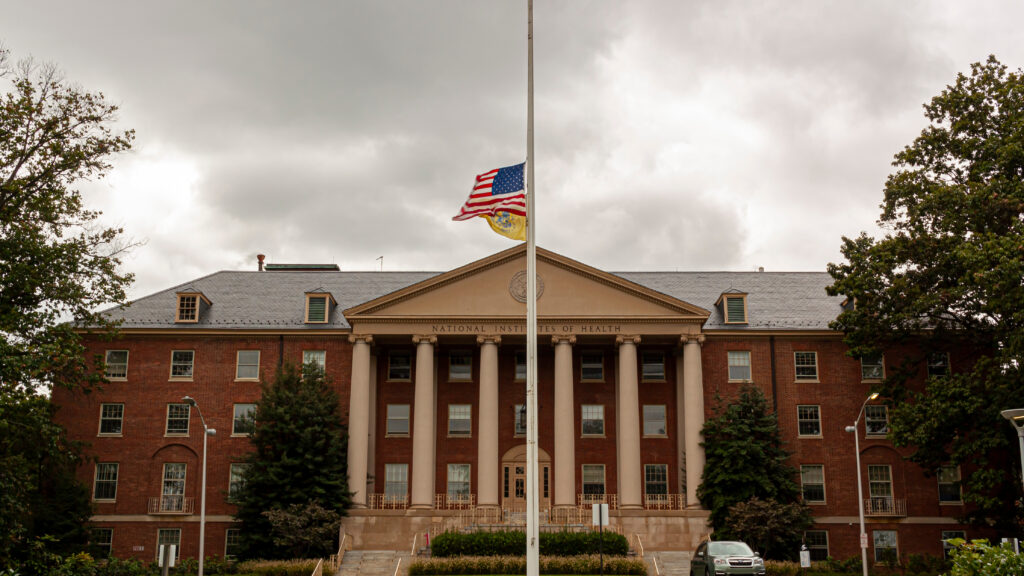

"A Call to Action: NIH Scientists Resign in Protest Against Political Interference in Research Integrity"
Resignations at NIH: A Call for Integrity in Science Amid Political Turmoil
Date: December 15, 2025
In a striking development within the National Institutes of Health (NIH), four prominent scientists have resigned in protest against what they describe as a systematic undermining of scientific integrity by the current administration. This unprecedented wave of resignations reflects deep concerns over the politicization of health research and the erosion of academic freedom at one of the world’s leading biomedical research institutions.
Background
The NIH, established in 1887, has long been regarded as a cornerstone of the United States’ health research infrastructure, receiving bipartisan support for its mission to advance scientific knowledge and improve public health. However, the onset of the Trump administration in 2025 has brought significant changes, leading to widespread discontent among its scientific workforce.
The resignations come after the scientists, with over 50 years of collective experience, witnessed a series of policies that they argue prioritize political agendas over rigorous scientific inquiry. In June 2025, they joined hundreds of colleagues in signing the Bethesda Declaration, an open letter to NIH leadership expressing concerns about new policies that they believe compromise the integrity of the institution.
Reasons for Resignation
The resigning scientists outlined several key issues that prompted their decision:
-
Censorship of Scientific Language: They reported being instructed to advise grant applicants to remove terms such as “equity,” “diversity,” “minority,” and “underserved” from their proposals, regardless of the scientific relevance of these concepts. This directive, they argue, represents a clear form of ideological coercion that could stifle important research.
-
Targeting of Early-Career Scientists: The NIH leadership has been accused of selectively terminating grants and censoring funding opportunities aimed at early-career researchers, particularly those focused on health disparities. Applications related to these critical areas were withdrawn without review, undermining the potential for significant advancements in public health.
-
Culture of Fear: The scientists described a pervasive atmosphere of intimidation within the NIH, where questioning politically motivated directives could lead to administrative leave or dismissal. Many colleagues reportedly expressed concerns about job security, prioritizing their livelihoods over ethical considerations.
- Impact on Public Health: The resignations highlight a broader concern that the current political climate is detrimental to the scientific enterprise, particularly in addressing pressing health challenges. The scientists emphasized that a stable research funding infrastructure is essential for solving the nation’s health issues and supporting a functional democracy based on evidence.
The Broader Implications
The resignations are not isolated incidents; they reflect a growing trend of discontent among NIH staff. Many colleagues are reportedly considering early retirement or actively seeking employment elsewhere, driven by the fear of compromising their professional integrity.
The scientists expressed hope that their actions would resonate with others in the research community, encouraging them to speak out against the erosion of scientific values. They emphasized the importance of collaboration among researchers to rebuild a robust biomedical research ecosystem free from political interference.
Conclusion
As the NIH navigates these turbulent waters, the resignations of these four scientists serve as a poignant reminder of the critical need for integrity in scientific research. Their commitment to upholding the values of academic freedom and rigorous inquiry underscores the importance of protecting the scientific enterprise from political agendas.
The future of health research in the United States hangs in the balance, and the actions of these scientists may inspire a broader movement to safeguard the integrity of one of the nation’s most vital institutions. As they move forward, they remain dedicated to advancing science and improving public health, urging their colleagues to continue advocating for the principles that underpin the scientific community.