
"California’s Milk Cartons Face Recycling Crisis: Will the Iconic Symbol Disappear?"
California Milk Cartons Face Recycling Symbol Removal Amid Contamination Concerns
In a significant shift for California’s recycling landscape, milk cartons may soon lose their coveted recycling symbol, the familiar chasing arrows emblem. This potential change comes as Waste Management, one of the largest waste management companies in the United States, announced on December 15 that it would cease sorting milk and food cartons for recycling at its Sacramento facility. Instead, these containers will be directed to landfills, raising alarms about the future of beverage carton recycling in the state.
Contamination Concerns Prompt Change
Marcus Nettz, Waste Management’s director of recycling for Northern California and Nevada, cited growing concerns from buyers and international regulators regarding contamination. Even small amounts of food-encrusted cartons can compromise the quality of recyclable materials, particularly paper, leading to rejections from overseas markets. This decision has significant implications, as it reduces the number of Californians with access to carton recycling below the threshold established by the state’s “Truth in Recycling” law, known as Senate Bill 343.
Under this law, if a product does not meet the recycling access threshold, it must lose its recycling label. This label is crucial for manufacturers, especially as California’s single-use packaging law, Senate Bill 54, mandates that all single-use packaging be recyclable or compostable by 2032. Failure to comply could prevent these products from being sold or distributed within the state.
Implications for the Industry
The removal of the recycling label could have far-reaching consequences for carton manufacturers and their clients, including soup and juice producers. The National Carton Council, a trade group advocating for carton recycling, has been actively lobbying the state. They argue that Waste Management’s Sacramento facility has successfully combined cartons with mixed paper for export to countries like Malaysia and Vietnam, demonstrating a viable market for these materials.
Brendon Holland, a spokesperson for the National Carton Council, acknowledged Waste Management’s recent decision but expressed optimism. He indicated that the company plans to sort cartons into a dedicated waste stream once a local end market becomes available. Holland emphasized that, despite this temporary adjustment, food and beverage cartons are still collected and sorted in most of California.
Regulatory Landscape and Market Challenges
In 2022, Malaysia and Vietnam implemented bans on importing mixed paper bales due to high contamination levels, which often included non-paper products like beverage cartons. Waste Management has stated that it holds a “Certificate of Approval” from Malaysia’s customs agency to export sorted paper materials. However, CalRecycle, the state agency responsible for waste management, has acknowledged Waste Management’s recent change and updated its guidelines for the Truth in Recycling law, confirming that carton recycling rates have fallen below the required threshold.
The decision to grant recycling status to beverage cartons was controversial, with critics arguing that it favored the interests of the plastic and packaging industries over environmental concerns. State Attorney General Rob Bonta is currently investigating these practices, highlighting the ongoing tension between recycling advocates and industry stakeholders.
Nick Lapis, director of advocacy for Californians Against Waste, noted that recyclability is not a static concept. It relies on a complex system of sorting, transportation, processing, and market demand for recycled materials. He argued that the potential removal of the recycling label underscores the effectiveness of the Truth in Recycling law, which aims to protect consumers and compel manufacturers to use recyclable materials.
The Composition and Challenges of Beverage Cartons
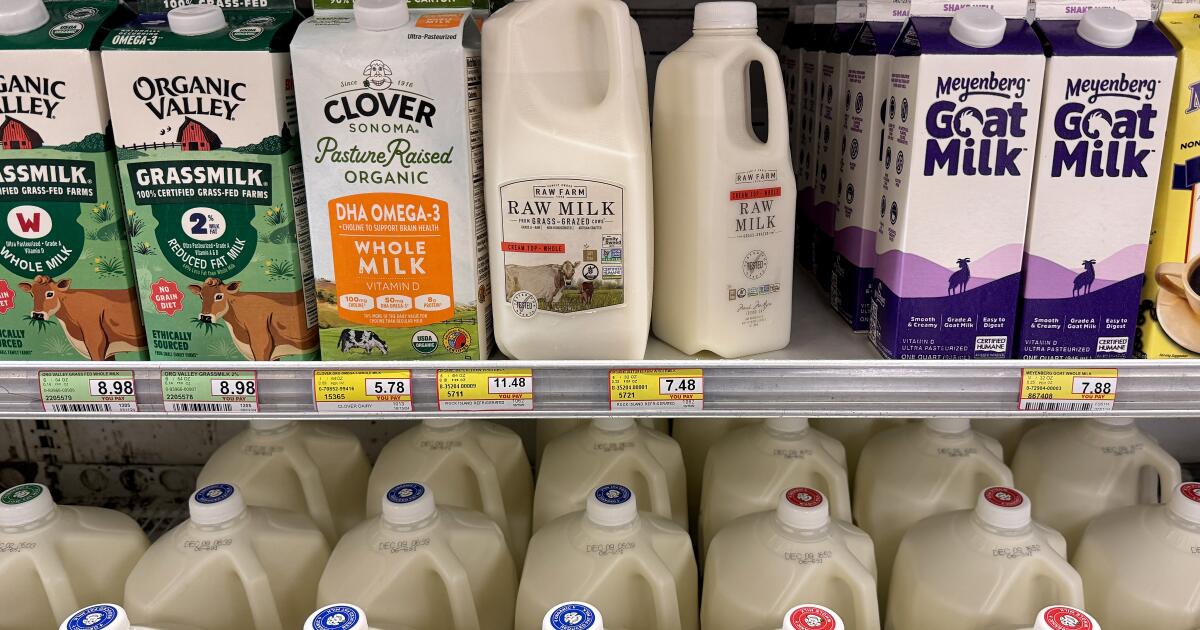
Beverage and food cartons, despite their paper-like appearance, are made from layers of paper, plastic, and sometimes aluminum. This composite structure extends shelf life, making them appealing to food and beverage companies. However, the mixed materials pose challenges for recycling, as many facilities lack the capability to process them effectively.
California, home to approximately 40 million residents, has some of the strictest waste management laws in the nation. Since 1989, legislation has mandated that cities divert at least 50% of residential waste from landfills. However, the increasing prevalence of single-use plastics and other non-recyclable materials complicates this goal. Municipalities face fines of up to $10,000 per day for failing to meet diversion rates, prompting waste haulers to seek creative solutions, including exporting waste overseas.
Exporting Waste and Environmental Concerns
Historically, China was the primary destination for California’s contaminated waste. However, after China closed its doors to foreign garbage in 2018, waste exporters turned to smaller Southeast Asian countries. These nations are now grappling with their own waste management challenges, leading to increased scrutiny of imported waste.
Jan Dell, founder and CEO of Last Beach Cleanup, recently released a report indicating that California waste companies, including the Sacramento facility, have been exporting contaminated paper bales to Malaysia and Vietnam. According to export data and photographic evidence, over 117,000 tons of mixed paper bales were sent to Malaysia between January and July of this year, raising concerns about compliance with international waste regulations.
Dell expressed satisfaction that Waste Management has halted the sorting of cartons into mixed paper bales but urged the company and others to cease exporting mixed paper waste to countries that have banned it.
Conclusion
As California navigates the complexities of recycling and waste management, the potential removal of the recycling symbol from milk cartons highlights the challenges posed by contamination and market dynamics. The evolving regulatory landscape, coupled with environmental concerns, underscores the need for innovative solutions to ensure that packaging materials are both sustainable and recyclable. The future of beverage carton recycling in California remains uncertain, with stakeholders closely monitoring developments in this critical area.