
"Starvation in Kakuma: The Human Cost of U.S. Aid Cuts in the World’s Third-Largest Refugee Camp"
Title: The Human Cost of Aid Cuts: A Deep Dive into Kakuma Refugee Camp
Date: [Insert Date]
By: [Your Name]
In August, I traveled to Kakuma, Kenya, to investigate the ramifications of the U.S. government’s decision to cut food aid to the world’s third-largest refugee camp. This camp, home to over 308,000 individuals, has been a lifeline for many fleeing conflict and persecution. However, recent policy changes have left its residents facing dire circumstances.
Background: A Shift in U.S. Foreign Aid Policy
The crisis began shortly after President Donald Trump took office in January 2017, when he froze foreign aid on his first day. Despite assurances from Secretary of State Marco Rubio that essential services would continue during a review of foreign aid, reports indicated that programs were shutting down, jeopardizing millions of lives. My colleague Brett Murphy and I, both seasoned journalists with extensive backgrounds in health and public policy, began our investigation by interviewing government officials and aid workers, and analyzing internal documents.
The Impact of Funding Cuts
Our investigation revealed that the cuts to the World Food Program (WFP) severely affected food rations in Kakuma. Families were forced to make impossible choices, and vulnerable populations, particularly pregnant women, bore the brunt of these decisions.
Upon arriving in Kakuma, we met Dr. Kefa Otieno, the only physician at the camp’s hospital run by the International Rescue Committee. He provided a sobering tour of the maternity unit, where the consequences of malnutrition were evident. The hospital was overwhelmed with cases of life-threatening pregnancy complications, as women struggled with anemia and high blood pressure due to inadequate nutrition.
The Maternity Ward: A Harrowing Reality
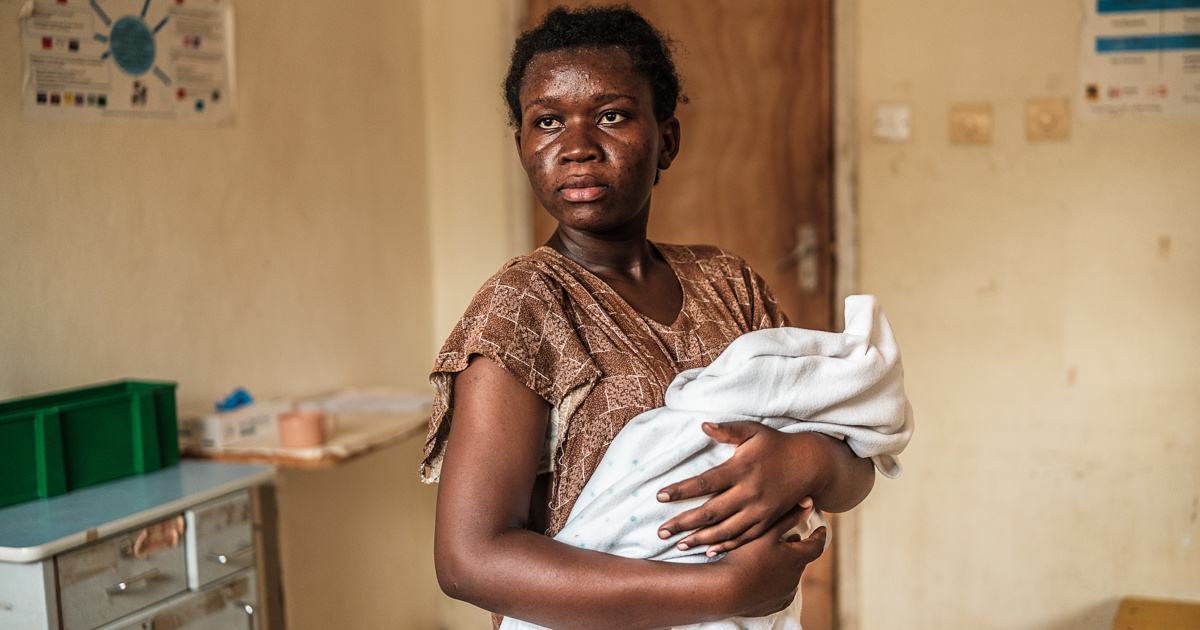
The maternity ward, a large yellow room with approximately 45 beds, was filled to capacity. Dr. Otieno explained that many women were giving birth to underweight babies, and the hospital lacked functional incubators. Instead, they employed a method known as kangaroo mother care, where mothers hold their premature infants against their skin to provide warmth and support.
We met Monica, a 21-year-old mother, and Binti, a 28-year-old mother of three. Both women faced severe complications during their pregnancies due to malnutrition. Monica, who had collapsed at home, underwent an emergency cesarean section. Binti, who had previously experienced healthy pregnancies, resorted to eating clay and charcoal to stave off hunger. Her baby, Nuru, was born prematurely, weighing just 3.5 pounds.
The Struggle for Survival
Both women shared their stories of desperation and resilience. Monica recounted a time when she had to beg for food, hiding from a vendor to avoid repayment. Binti, who had fled violence in the Democratic Republic of Congo, expressed her anguish over the lack of food, stating, “Food was all I thought about.”
As they bonded over their shared experiences, the stark reality of their situation became evident. While the hospital provided three meals a day, the outside world offered little hope. The WFP had made the difficult decision to reduce rations, leaving many families without adequate food. Monica and her siblings were set to receive only 420 calories a day, while Binti and her family were cut off entirely.
A Glimmer of Hope
Despite the grim circumstances, there were moments of hope. On one occasion, Binti’s son Nuru gained enough weight to be discharged, prompting a celebration. However, Monica’s daughter Mary continued to struggle, gaining only a fraction of the weight needed for discharge.
Monica expressed her dreams of resettlement in the U.S., where she hoped to provide a better life for her family. “Fill your notebook with that,” she urged, emphasizing her desire for education and food security.
Current Status and Future Outlook
As of September, the U.S. administration allocated $66 million to WFP’s operations in Kenya, a significant reduction from previous years. While this funding is expected to sustain food supplies through March, rations remain below the minimum caloric intake recommended for survival.
In response to inquiries about the aid cuts, a senior State Department official highlighted ongoing support for WFP, asserting that the U.S. continues to provide hundreds of millions annually. However, the complexities of foreign aid approval processes remain a point of contention.
Conclusion
The situation in Kakuma serves as a stark reminder of the human cost of policy decisions. As families like Monica’s and Binti’s navigate the challenges of survival, the need for sustained humanitarian assistance becomes increasingly urgent. The resilience of these women and their families is a testament to the human spirit, but without adequate support, their futures remain uncertain.
For more information on the ongoing situation in Kakuma and how you can help, please visit [insert relevant organizations or websites].