
"Unlock the Cosmos: Choosing Between New and Used Gear for Astrophotography"
The Astrophotography Gear Dilemma: New vs. Used in 2026
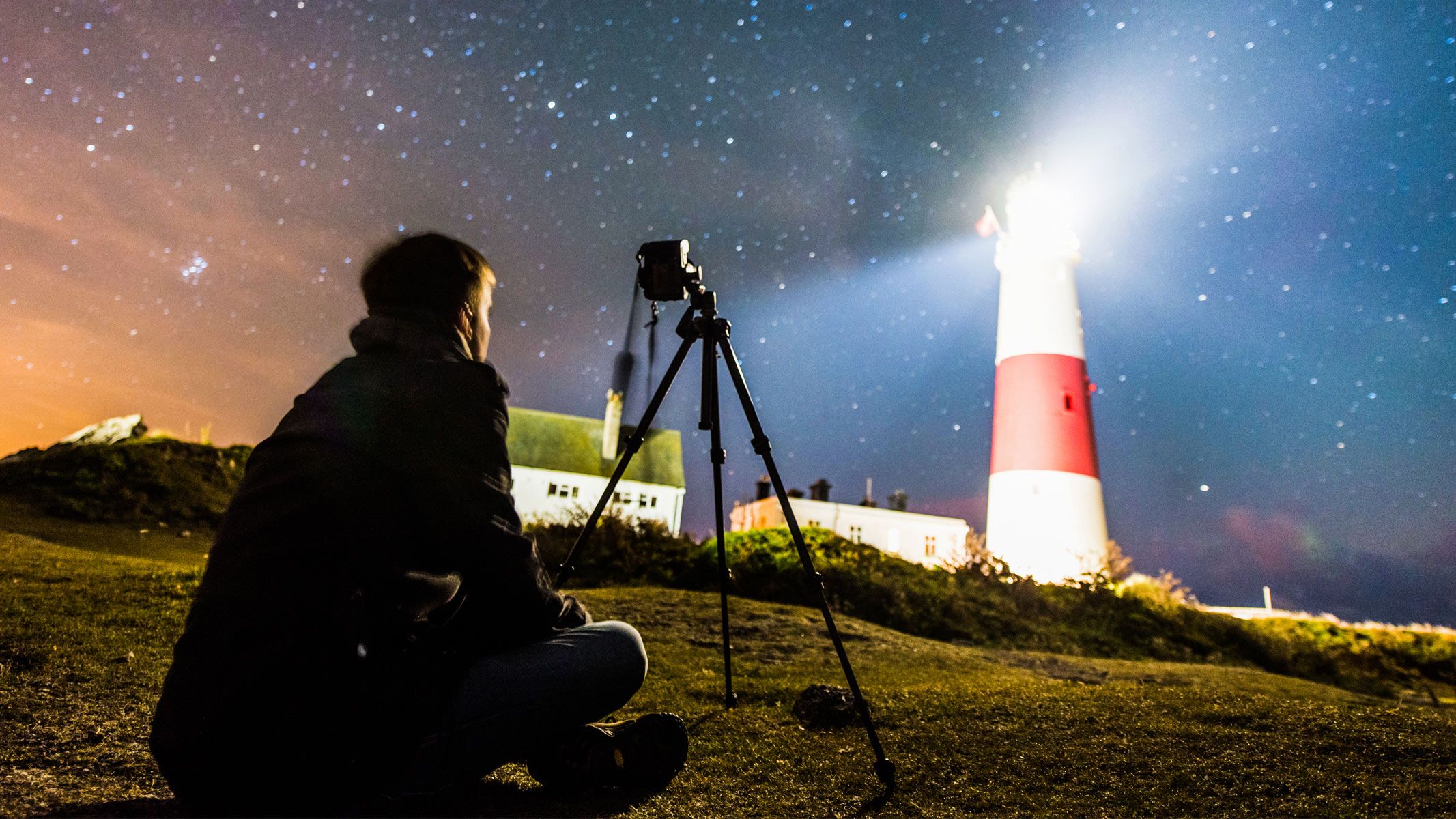
Astrophotography, the art of capturing the night sky, is a captivating blend of creativity and technical skill. As enthusiasts embark on this journey, a fundamental question arises: should they invest in new or used camera gear? This decision can significantly impact budget, creative potential, and long-term satisfaction. In 2026, with rapid technological advancements, there are compelling options available in both categories.
Understanding the Basics: New vs. Used Gear
At its core, the distinction between new and used gear lies in condition, but the implications extend far beyond that. New cameras and lenses come with full manufacturer warranties, the latest features, and pristine sensors, ensuring maximum lifespan. In contrast, used gear presents a calculated risk; while it can be significantly cheaper—often 30-60% below retail value—it may come with wear and a shorter remaining lifespan.
Reputable used marketplaces, such as MPB and KEH, often provide graded gear with return policies or short warranties, mitigating some risks. For those willing to take a chance, these savings can be redirected toward essential accessories like tracking mounts or specialized lenses, enhancing the astrophotography experience.
Key Considerations for Used Equipment
Astrophotography pushes cameras to their limits, making certain factors crucial when evaluating used gear:
1. Sensor Health and Noise
Astrophotography typically involves long exposures at high ISO settings, which can exacerbate sensor noise. New cameras generally feature fresher sensors with advanced noise-reduction algorithms, while older sensors may exhibit more hot pixels and uneven calibration, complicating post-processing.
2. Battery Life and Reliability
Long astrophotography sessions can drain batteries quickly, especially when using live view. New gear often provides better battery life and reliability, which is essential for remote shooting. If opting for used gear, consider purchasing new batteries from reputable sources to ensure reliability.
3. Astrophotography Features
Modern cameras, particularly mirrorless models, include features that simplify astrophotography, such as silent shooting modes, advanced noise reduction, and on-sensor stabilization. While not essential, these features can significantly enhance workflow and outcomes.
Bargains in Used Gear
For many photographers, purchasing used gear is a practical necessity. Classic DSLRs and older mirrorless bodies remain solid performers. Notable options include:
-
Sony A7 III: A full-frame mirrorless body known for its excellent dynamic range and low-light performance. Prices range from $600 to $800 for a decent model.
- Canon 5D Mark IV: A robust DSLR with great weatherproofing and low-light capabilities. The Canon 6D and Nikon D750 are also excellent choices, with the former’s Mark I version available for under $500.
Keep an eye out for seasonal promotions on used marketplaces, which can provide additional savings on certified gear.
New Gear Worth Considering
If budget allows, investing in new gear can offer significant advantages. Full-frame mirrorless bodies like the Nikon Z series and the Canon EOS R8 combine modern sensor technology with lightweight designs, making them ideal for both astrophotography and travel.
Advanced models like the Sony A7 IV deliver improved noise performance and processing power, making them suitable for low-light captures, although they may be excessive for beginners.
Pairing with the Right Lens
Selecting the right lens is critical for astrophotography. Fast, wide-angle lenses (f/1.4 to f/2.8) allow more light, reducing noise and exposure time. Look for wide prime lenses, starting with f/2.8 and considering upgrades to f/1.8 or f/1.4 versions, which can range from $1,000 used to $1,500-$2,000 new.
Manual focus lenses can also be cost-effective options, providing good sharpness without premium pricing. Remember, your camera’s sensor size affects lens behavior; full-frame sensors capture broader scenes with less noise, while APS-C bodies crop tighter.
Conclusion: Making an Informed Decision
Ultimately, the choice between new and used gear for astrophotography hinges on individual needs and preferences. New gear offers peace of mind, longevity, and the latest features, while used gear provides a budget-friendly way to access capable equipment.
For beginners, used gear can be an excellent entry point, allowing for a simple setup to learn the ropes. Regardless of your choice, mastering astrophotography requires understanding your gear—whether new or previously owned. With the right knowledge and equipment, capturing stunning images of the night sky is within reach.