
"Hidden Treasures: 10 Million Corals at Risk Beneath Port Everglades"
Discovery of 10 Million Corals at Port Everglades Sparks Environmental Concerns Amid Dredging Plans
Fort Lauderdale, FL — Beneath the bustling waters of Port Everglades, one of South Florida’s busiest maritime hubs, scientists have uncovered a staggering population of approximately 10 million corals thriving in and around the main shipping channel. This remarkable discovery, detailed in a recent analysis by the National Oceanic and Atmospheric Administration (NOAA) and the Shedd Aquarium, highlights a resilient coral community that has persisted even as many reefs across Florida have faced severe decline due to disease, coastal development, and rising ocean temperatures.
A Resilient Coral Community
The study reveals that coral populations near Port Everglades have not only survived but, in some cases, flourished over the past decade. This is particularly significant given the alarming trend of coral degradation observed in other regions, such as the Florida Keys and Dry Tortugas, where a marine heat wave in 2023 led to the ninth mass coral bleaching event on record. During this event, ocean temperatures soared above 85 degrees Fahrenheit for over 40 consecutive days, resulting in widespread coral bleaching and mortality.
Ross Cunning, a research biologist at the Shedd Aquarium and co-author of the study, emphasized the importance of protecting these corals, particularly the endangered staghorn corals, which play a crucial role in reef-building and coastal protection. “There are still a lot of corals out there, and they need to be protected,” Cunning stated.
Threats from Dredging
The coral populations documented in the NOAA and Shedd Aquarium analysis lie directly in the path of the proposed Port Everglades Navigation Improvements Project. This federal initiative, spearheaded by the U.S. Army Corps of Engineers, aims to deepen and widen the port’s shipping channels to accommodate larger cargo ships and bulk carriers. However, conservationists and federal scientists warn that the dredging could inflict unprecedented damage on the coral ecosystems within and surrounding the channel.
Andy Strelcheck, NOAA Fisheries’ Southeast regional administrator, expressed grave concerns in a letter to the Army Corps, stating that the project would result in the largest impact to coral reefs permitted in U.S. history. The Army Corps acknowledges the potential risks, noting that the project could affect corals both directly and indirectly through sedimentation and turbidity caused by construction activities.
Environmental Impact and Legal Challenges
The dredging process involves heavy machinery that will break through rock and seafloor, creating sediment clouds that can smother corals and potentially trigger disease. Cunning warned, “These are precious resources. We can’t afford to just dump dredging sediments on them.” The project also poses risks to other vulnerable marine species, including the mountainous star coral and the queen conch, which has recently been listed as threatened under the Endangered Species Act.
The Port Everglades expansion has faced legal challenges from environmental groups, including Miami Waterkeeper and the Center for Biological Diversity. In 2016, these organizations sued the Army Corps to halt the project until it could demonstrate that it would not harm endangered species or destroy critical coral habitats. Although the lawsuit has been temporarily paused while the Corps conducts additional environmental studies, concerns about the potential impacts on marine life remain high.
Historical Context and Future Considerations
The apprehension surrounding the Port Everglades project is rooted in recent history. A similar expansion at Port Miami between 2013 and 2015 resulted in the death of over 560,000 corals, far exceeding initial estimates. Rachel Silverstein, a marine biologist and CEO of Miami Waterkeeper, recounted her experiences diving in the channel during the Miami expansion, noting that the reef was buried under sediment, leading to significant coral mortality.
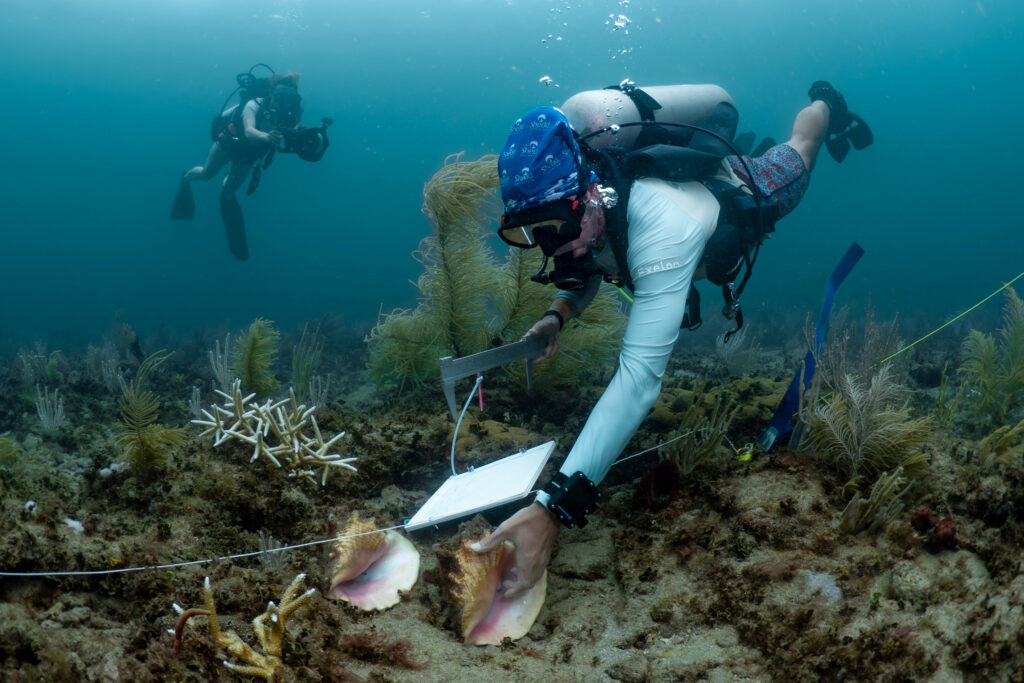
In light of these past experiences, scientists are determined to avoid a repeat of such outcomes at Port Everglades. Cunning and his team conducted dives in 2024 to establish a baseline of coral abundance and health, revealing an estimated 10 million corals within a mile of the proposed dredging site, including over 40,000 colonies of staghorn corals.
Mitigation Efforts and Challenges Ahead
While Army Corps officials have committed to relocating all corals larger than 3 centimeters before dredging begins, experts caution that relocation is not a guaranteed solution. Andrew Baker, a professor of marine biology at the University of Miami, emphasized the need for careful planning and prioritization of species at risk. “The scale of that project is so massive that unless we begin it now, we’re going to just narrow the window of available time to rescue corals,” he said.
Despite the challenges, Baker remains hopeful that with proactive measures, including relocating mature corals for future spawning, some of the coral populations may be preserved. However, Cunning warns that the fate of relocated corals is uncertain, underscoring the need for comprehensive mitigation strategies.
As the debate continues over the future of Port Everglades, the discovery of these 10 million corals serves as a poignant reminder of the delicate balance between economic development and environmental preservation. The coming months will be critical in determining the fate of these vital marine ecosystems and the myriad species that depend on them.