
"Breaking Barriers: Massachusetts Governor Seeks to Extend Rape Prosecution Deadline with DNA Evidence"
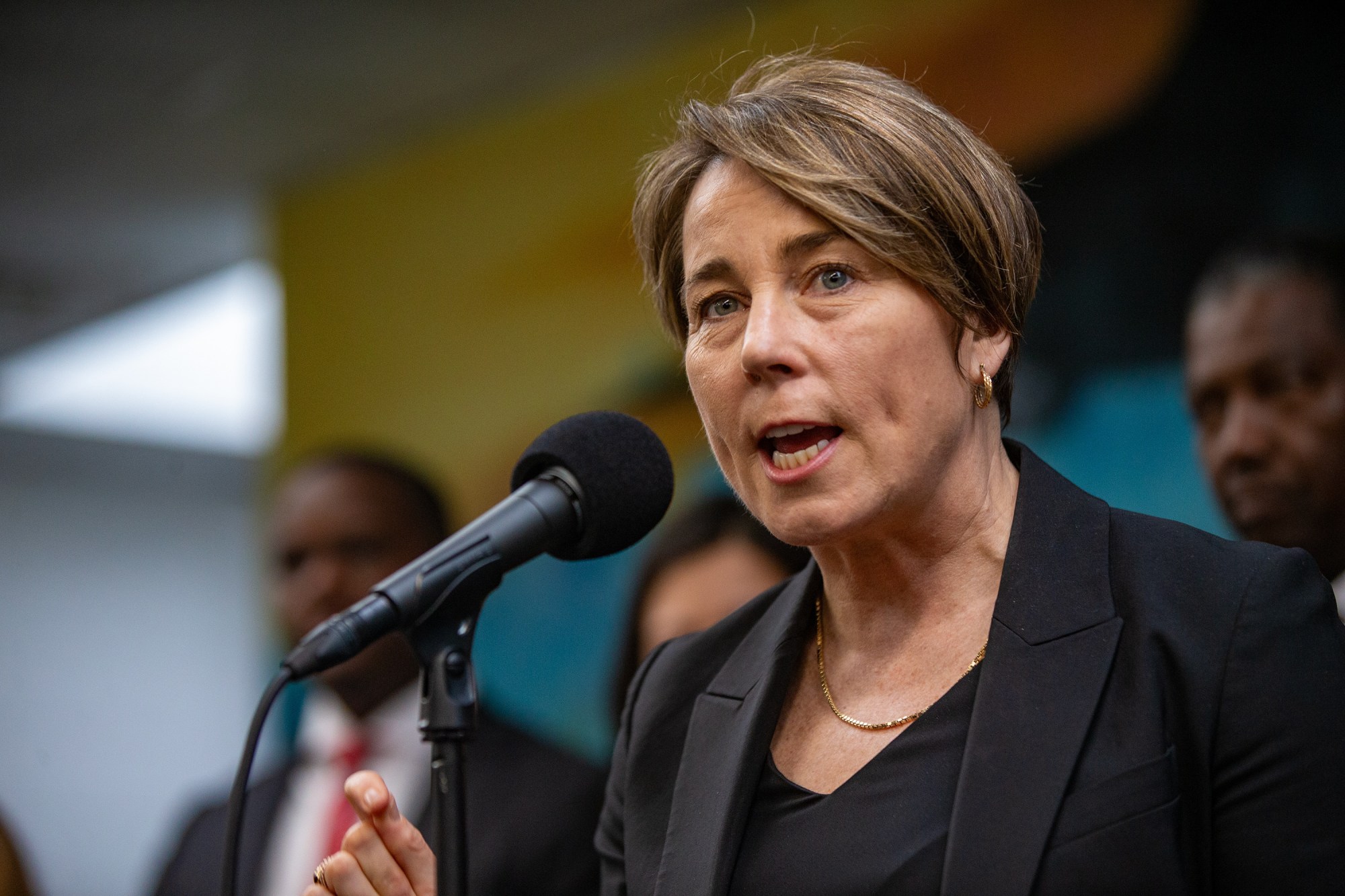
Massachusetts Governor Maura Healey Proposes Elimination of 15-Year Rape Prosecution Deadline
Boston, MA — In a significant move aimed at reforming the state’s approach to sexual assault cases, Massachusetts Governor Maura Healey has proposed legislation to eliminate the 15-year statute of limitations for prosecuting rape cases where DNA evidence is available. This proposal, part of Healey’s budget plan for the fiscal year 2027, seeks to address longstanding concerns regarding the ability of survivors to seek justice in light of advancements in forensic technology.
Current Legal Framework
Under existing Massachusetts law, rape prosecutions are barred after 15 years, even if DNA testing identifies a suspect. This limitation has drawn criticism, particularly in light of a recent investigation by WBUR and ProPublica, which revealed that nearly all other states provide longer timeframes for prosecuting sexual assaults. Many of these states have extended their deadlines in recent years, recognizing the role of DNA technology in solving cold cases and the historical failures of law enforcement to adequately investigate sexual assaults.
Case Study: Louise’s Story
The investigation highlighted the case of a woman identified as Louise, who was raped and stabbed in 2005 after accepting a ride from a man claiming to recognize her from college. Despite DNA evidence linking a suspect to her case, prosecutors were forced to drop charges due to the expiration of the statute of limitations. Louise’s experience underscores the emotional and legal hurdles faced by survivors when the law limits their ability to seek justice.
“I have beautiful family members, young women,” Louise stated. “I care about all the youth in the community. I want them all safer.” Her advocacy for legislative change has gained momentum, particularly following the identification of her attacker, Ivan Cheung, as a serial rapist in 2022. However, the statute of limitations prevented prosecution for the earlier assaults.
Legislative Proposal Details
Governor Healey’s proposal aims to amend the current statute, allowing for the prosecution of rape cases when DNA evidence is present, regardless of when the crime occurred. This change would apply to cases where the statute of limitations has not yet expired and to future sexual assaults, but it would not retroactively affect older cases.
In a statement, Healey emphasized the need for the judicial system to evolve alongside technological advancements. “With technological advances, new evidence is being collected and tested every day, and we need to make sure our judicial system keeps pace,” she said. “I hope this proposal will help survivors who have had to wait far too long for justice, while also improving our ability to hold offenders accountable.”
Legislative History and Challenges
Efforts to reform the statute of limitations for rape cases have been ongoing since 2011, with various proposals introduced in each legislative session. However, these efforts have often faced opposition from defense attorneys, who argue that extending deadlines could infringe on the rights of the accused. State Representative Adam Scanlon, who has championed similar legislation since 2021, noted that increased media attention has helped bring the issue back to the forefront this year.
Scanlon remarked, “This bill is really a testament to victims to ensure that folks that are in the same situation never have to go through the process of seeing somebody being able to walk away from an alleged rape when they know — when we know as a society — that DNA evidence connects them to that crime.”
Implications for Survivors
The potential passage of Healey’s proposal offers renewed hope for survivors like Louise, who have long awaited justice. The emotional toll of living with unresolved trauma is compounded by the knowledge that legal barriers may prevent accountability for their attackers. Louise expressed her gratitude for the governor’s support, stating, “I’m glad that the governor heard the voices of me and other survivors.”
As the proposal moves through the legislative process, it will require approval from both chambers of the Massachusetts Legislature. If enacted, it could mark a pivotal shift in how the state addresses sexual assault cases, aligning Massachusetts with a growing number of states that recognize the importance of DNA evidence in the pursuit of justice.
Conclusion
Governor Healey’s initiative to eliminate the 15-year deadline for prosecuting rape cases with DNA evidence represents a critical step toward reforming Massachusetts’ legal framework surrounding sexual assault. As the legislative process unfolds, the voices of survivors will play a crucial role in shaping the future of justice for victims of sexual violence in the state.