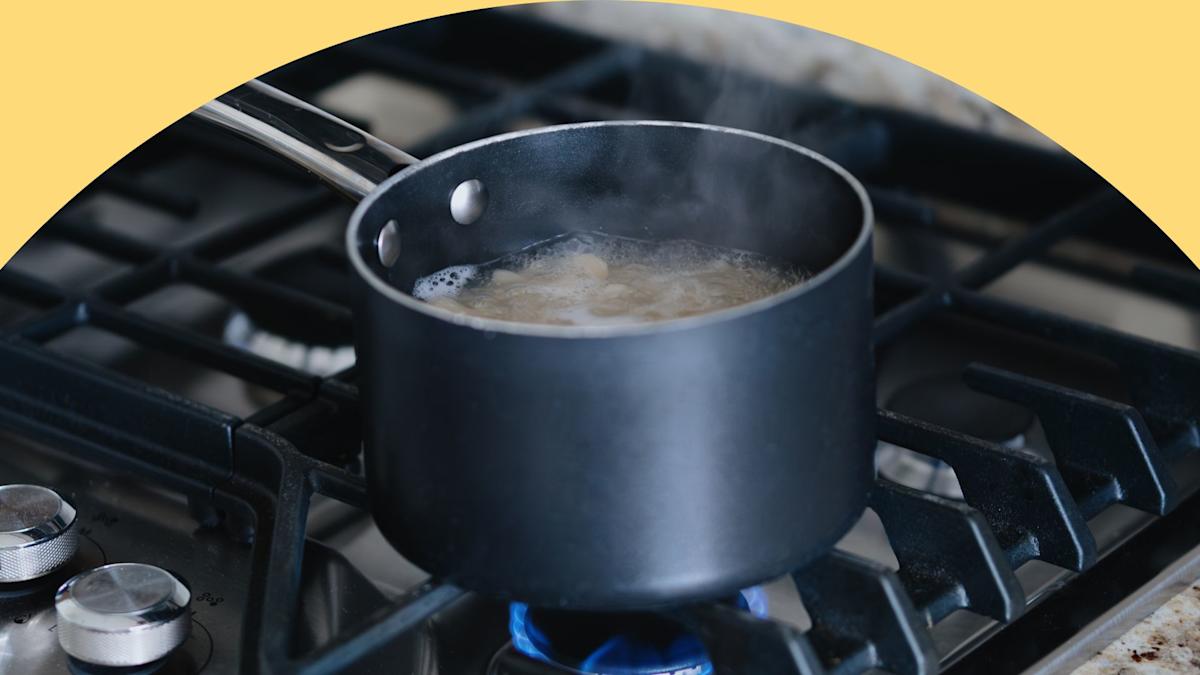

Are Your Aluminum Pans Safe? Experts Weigh In on Health Risks and Cooking Tips!
Aluminum Pans: Convenience vs. Safety—What Health Experts Say
Aluminum cookware has long been a staple in kitchens around the world, prized for its lightweight nature and excellent heat conductivity. However, as health concerns regarding cookware materials grow, many are left wondering: are aluminum pans safe for cooking? To answer this pressing question, we consulted health experts and examined the nuances of aluminum cookware.
Understanding Aluminum Cookware
Aluminum pans come in various forms, each with distinct safety profiles. According to Krystal Pollitt, an associate professor of epidemiology at the Yale School of Public Health, the type of aluminum cookware significantly influences its safety.
Types of Aluminum Cookware
-
Hard-Anodized Aluminum: This type undergoes a hardening process that makes the cooking surface non-reactive. Pollitt notes that hard-anodized aluminum minimizes the release of aluminum into food, making it a safer option. Additionally, it is more durable and less prone to scratching, which is crucial when cooking acidic foods.
-
Cookware with an Aluminum Core: Many pots and pans, including ceramic cookware, utilize aluminum as a base layer for its heat retention properties. The ceramic coating reduces the likelihood of leaching harmful substances, making these options generally safe.
-
Uncoated (Non-Anodized) Aluminum: This type poses a higher risk as it is more likely to leach aluminum into food. Experts recommend avoiding uncoated aluminum cookware altogether.
- Recycled Aluminum: Concerns arise with recycled aluminum, particularly regarding contamination with lead. Katie Fellows, an environmental scientist at the Hazardous Waste Management Program in King County, Washington, warns that some recycled aluminum cookware has been found to exceed the FDA’s safe levels for lead by over 600-fold. Lead exposure, even at low levels, can adversely affect neurological development, especially in children.
Identifying Unsafe Aluminum Cookware
Determining whether your aluminum cookware is safe can be challenging. Fellows emphasizes that visual inspection is insufficient; you cannot tell if a piece contains lead just by looking at it. If you have inherited cookware, purchased used items, or bought products from international sources, they may contain unsafe aluminum.
To mitigate risks, consider phasing out older or unverified aluminum cookware. A list of brands that have released lead above FDA-recommended levels can be found on the King County and FDA websites.
Safe Cooking Practices with Aluminum Cookware
If you choose to use aluminum cookware, here are some safety tips recommended by experts:
- Wash Before Use: Clean new cookware with warm, soapy water before its first use, ensuring it is thoroughly rinsed and dried.
- Use Non-Metal Utensils: Opt for silicone or wooden utensils to prevent scratching the surface.
- Cook on Medium Heat: High-heat cooking can increase leaching. Be cautious with long cooking times or acidic ingredients.
- Hand-Wash Only: Avoid dishwashers, as harsh detergents and high temperatures can damage aluminum cookware.
- Store Leftovers Safely: Use nontoxic food storage containers instead of storing food in aluminum pots.
- Monitor for Damage: Discoloration or scratches may indicate that it’s time to replace your cookware.
Comparing Aluminum with Other Cookware Materials
Aluminum vs. Stainless Steel
While stainless steel pans can be challenging to clean, they are non-reactive and generally safer. Pollitt and Fellows have found that stainless steel cookware tested showed little to no lead leaching, making it a preferable option.
Aluminum vs. Cast Iron
Cast iron cookware is celebrated for its durability and high heat tolerance. Similar to stainless steel, cast iron has shown minimal lead contamination in testing, making it a safer alternative to aluminum.
Aluminum vs. Carbon Steel
Carbon steel pans, composed of iron and carbon, heat quickly and are lightweight. Laura Williams, Yahoo’s Senior Health Editor, recommends carbon steel as a viable alternative to aluminum.
Advantages of Aluminum Cookware
Despite the concerns, hard-anodized aluminum cookware does offer benefits. It heats up quickly and is lightweight, making it easy to handle. However, many of these advantages can also be found in other materials, such as stainless steel and cast iron.
Conclusion
While aluminum pans are convenient and widely used, not all types are created equal. Understanding the differences between hard-anodized and uncoated aluminum, as well as the risks associated with recycled aluminum, is crucial for safe cooking. By following expert recommendations and considering safer alternatives, you can enjoy cooking while minimizing health risks.
Meet Our Experts
- Katie Fellows, MS, PhD, Environmental Scientist, King County Hazardous Waste Management Program
- Krystal Pollitt, PhD, P.Eng, Associate Professor of Epidemiology (Environmental Health), Yale School of Public Health
- Laura Williams, MS, Yahoo Senior Health Editor
For those navigating the world of cookware, being informed is the first step toward safer cooking practices.