
“Hidden Gem Discovered Beneath Oregon’s Majestic Cascade Range: Massive Aquifer Uncovered”
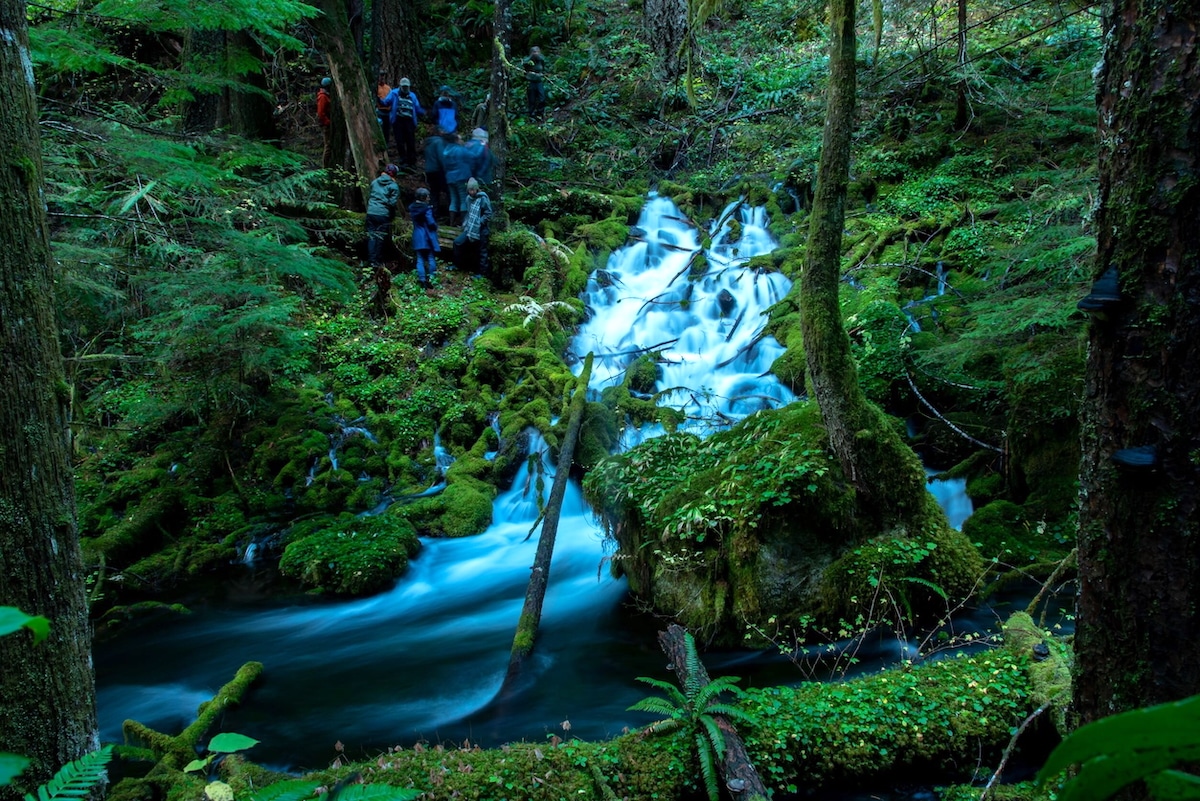
The largest mountain range in Oregon, the majestic Cascades, has recently revealed a hidden gem beneath its surface. Scientists from the University of Oregon (UO) and their partners have discovered a massive aquifer beneath the Cascade range, containing water volumes much higher than previously estimated.
After mapping the amount of water underneath volcanic rocks at the central crest of the mountain range, the researchers found an aquifer at least 81 cubic kilometers in size, nearly three times the capacity of Lake Mead on the Colorado River. This discovery has significant implications for the region’s water resources, especially as climate change impacts snowpack, intensifies drought, and strains limited water supplies.
The aquifer’s size and location also have implications for volcanic hazards in the area. When magma interacts with large volumes of water, it can lead to explosive eruptions, affecting the surrounding environment and communities.
Most Oregonians rely on water originating from the Cascades, making the discovery of this underground aquifer of immense importance. The researchers initially set out to study the landscape’s evolution and water movement but stumbled upon this crucial finding that sheds light on the region’s water resources and volcanic hazards.
The study, published in the journal Proceedings of the National Academy of Sciences, highlights the importance of further research and careful stewardship of this geological gift. With the aquifer primarily replenished by snow, changes in snowpack patterns due to climate change could impact the aquifer’s water levels, emphasizing the need for continued monitoring and conservation efforts.
Overall, this discovery of a massive aquifer beneath the Cascade range provides valuable insights into the region’s water resources, geological history, and potential challenges in the face of climate change. It underscores the importance of understanding and protecting our natural resources for future generations.